


















Hotel Lighting is a big part for guests in how they feel about the hotel. No matter how beautiful the interior is, it can be uncomfortable if the lighting feels harsh, dull, or uninviting. Lighting in hospitality design is more than seeing things. It suspends the climate, influences moods, and writes your visitors recollections of a space.
Lighting settings affect luxury, design and effectiveness of the hotel, starting from the lobby area to guest rooms in addition to outdoors.
Nowadays, hotels integrate lighting as a crucial element of brand recognition and customer satisfaction.
Hotels are created to give guests peace, comfort, as well as memorable memories. Lighting is a key component in making spaces feel cozy as well as visually pleasing.
Good hotel lighting helps to
Guests may not always notice lighting directly, but they always notice how a space makes them feel.
The lobby of hotels is usually the very first place guests visit. The lighting is supposed to be inviting and stylish and also provide enough light that it is practical to use.
Lobbies and hotels generally employ multi-layered lighting that blends
Warm lighting tones usually create a relaxed and luxurious atmosphere. Decorative lighting fixtures also help hotels build a strong visual identity.
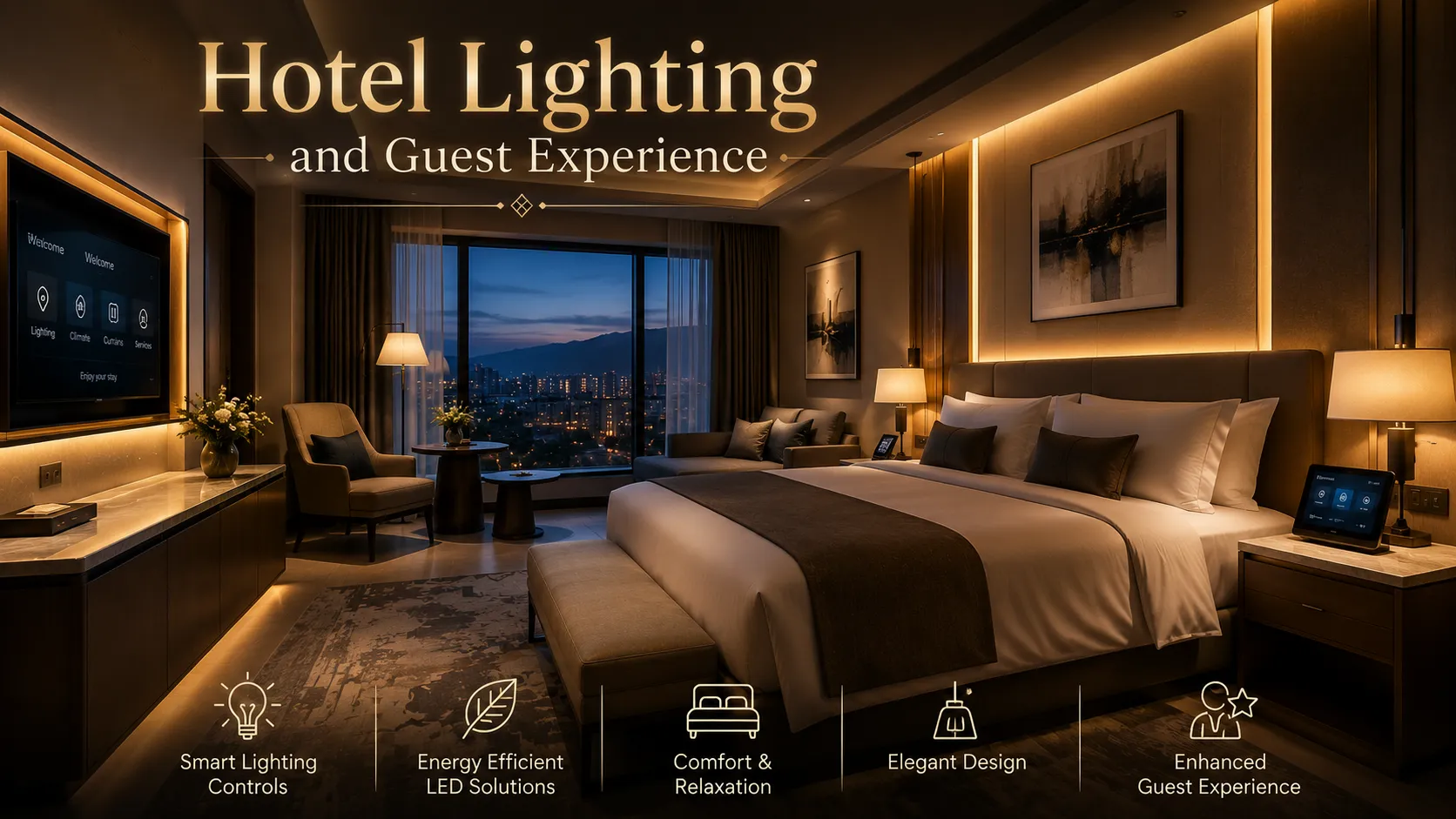
Guest rooms require flexible lighting that supports different activities throughout the day. Guests may want bright lighting for work and softer lighting for relaxation.
A well-designed hotel room often includes
experience, and all its categorizations are closely aligned with actual usage needs. First,
down the four types of lighting in guest rooms: Ambient light provides basic illumination and creates
atmosphere; task lights are placed by desks, in front of mirrors, and next to bedside tables
Many modern hotels now include dimmers and smart controls so guests can personalize lighting levels according to their preferences.
Comfortable room lighting improves relaxation and contributes to better guest experiences.
Extending to hotel restaurants and bars, soft lighting can extend guests’ length of stay. Properly planned lighting must achieve four core values: enhancing the visual appeal of dishes,
Well-planned restaurant lighting can
LED strip lights and decorative lamps to build these scenarios, and relevant discussions on lighting for outdoor hotels will be
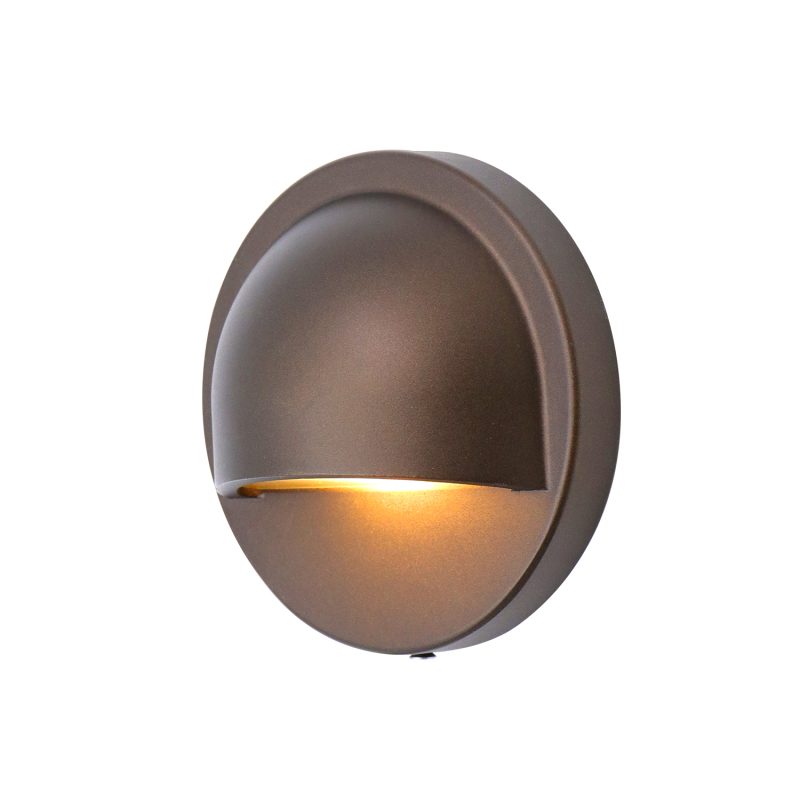
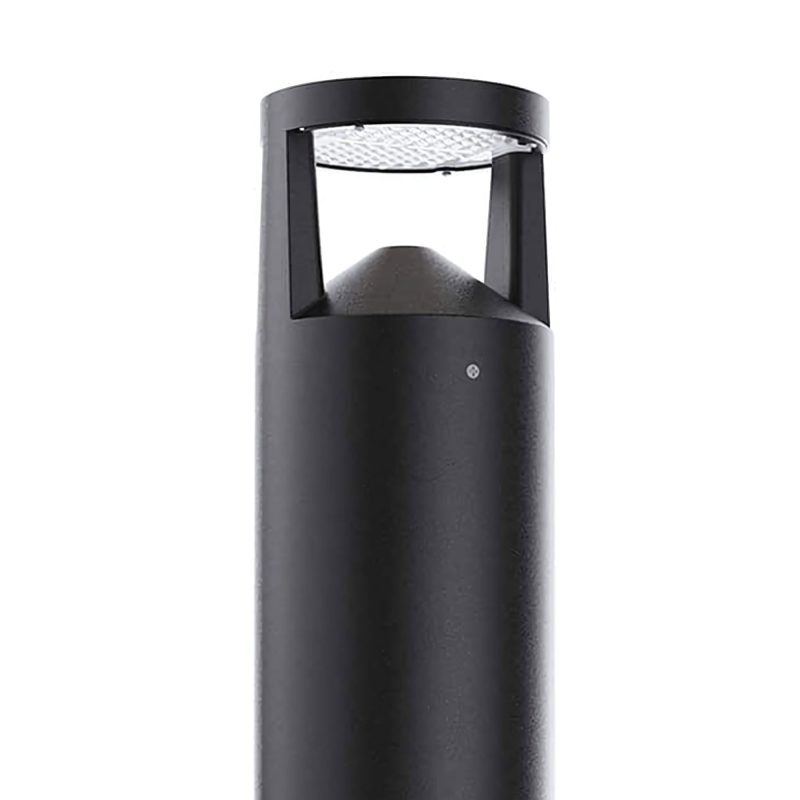
Exterior lighting is important for both appearance and safety. Well-lit outdoor areas help guests feel secure while also improving the hotel’s visual appeal at night.
Lighting for outdoor use typically includes
These elements make memorable evening experiences for guests.
Hotels operate continuously, which makes energy efficiency extremely important. Many hospitality businesses now use LED lighting to reduce operating costs and support sustainability goals.
LED lighting offers several advantages including
Smart lighting systems as well as occupancy sensors can also aid hotels to reduce unnecessary energy consumption.
The development of technology continues to change how we layout of the hotel’s lighting. Hotels are now offering smart lighting solutions that permit guests to manage lighting levels and brightness using smartphones or through room controls.
Some hotels also use circadian lighting systems that adjust color temperature throughout the day. These systems are designed to support natural sleep patterns and improve guest wellness.
Smart lighting creates a more personalized and modern hospitality experience.
Choosing a partner who offers reliable solutions that meet modern hospitality space demands can be just as crucial to its success as selecting fixtures themselves. Super Tech LEDs delivers innovative, energy-saving LED solutions designed specifically to address modern hospitality space challenges with advantages that include reduced energy usage, extended lifespan and maintenance cost while improving lighting quality and style.
Hotels can benefit from Super Tech LEDs because of
Super Tech LEDs is focused on combining performance, aesthetics and efficacy to assist hotels design comfortable and attractive environments for guests.
Lighting can communicate the hotel’s personal style and personality. Hotels of different categories typically employ various lighting strategies.
Hotels that are luxurious may opt for dramatic chandeliers as well as warm ambient lighting. Boutique hotels typically concentrate on decorative and artistic fixtures. Businesses hotels typically focus on practical and high-quality lighting.
Lighting design that reinforces brand recognition and helps guests emotionally connect to a space is vitally important.
Hotel lighting trends continue to adapt with evolving guest expectations and new technologies, thus shaping hotel illumination strategies in ways we hadn’t expected.
The current trends are:
Creating emotional connections through lighting is key in the hospitality industry.
Hospitality design incorporates hotel lighting as it relates to several axes around comfort and emotion and utility as well as brand identity and perception. Lighting has the power to turn a dull, bland space into a memorable experience for hotel guests.
As hotels continue to compete through design and customer experience, lighting will remain one of the most important tools for creating welcoming and unforgettable environments. With reliable and energy efficient solutions from Super Tech LEDs, hotels can create beautiful spaces that leave a lasting impression on every guest.


 DOUBLE RING FLUSH MOUNT
 DOWNLIGHTS & RETROFITS
 EMERGENCY LIGHTS
 PANEL LIGHTS
 UFO HIGH BAYS
 LINEAR HIGH BAYS
 LED EXHAUST FAN
 LIGHT BULBS
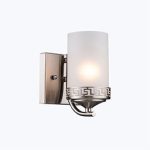 VANITY LIGHTS
 HAZARDOUS LIGHTING
 TUBE LIGHTS
 INTEGRATED FIXTURES
 RETROFIT BULBS
 CANOPY LIGHTS
 CORN BULBS
 FLOOD LIGHTS
 GAS PRICE SIGNS
 POST TOP LIGHT
 SHOEBOX LIGHTS
 WALL PACKS
 VAPOR PROOF
 LED MODULES
 LED WALL WASHER LIGHTS
 LED UNDERGROUND LIGHTS
 LED POOL LIGHTS
 DRIVERS / POWER SUPPLY
 CONTROLLERS
 WIRING ACCESSORIES
 LIGHT POLES
 SUSPENDED PENDANT LIGHTS
 CONTEMPORARY CHANDELIERS