















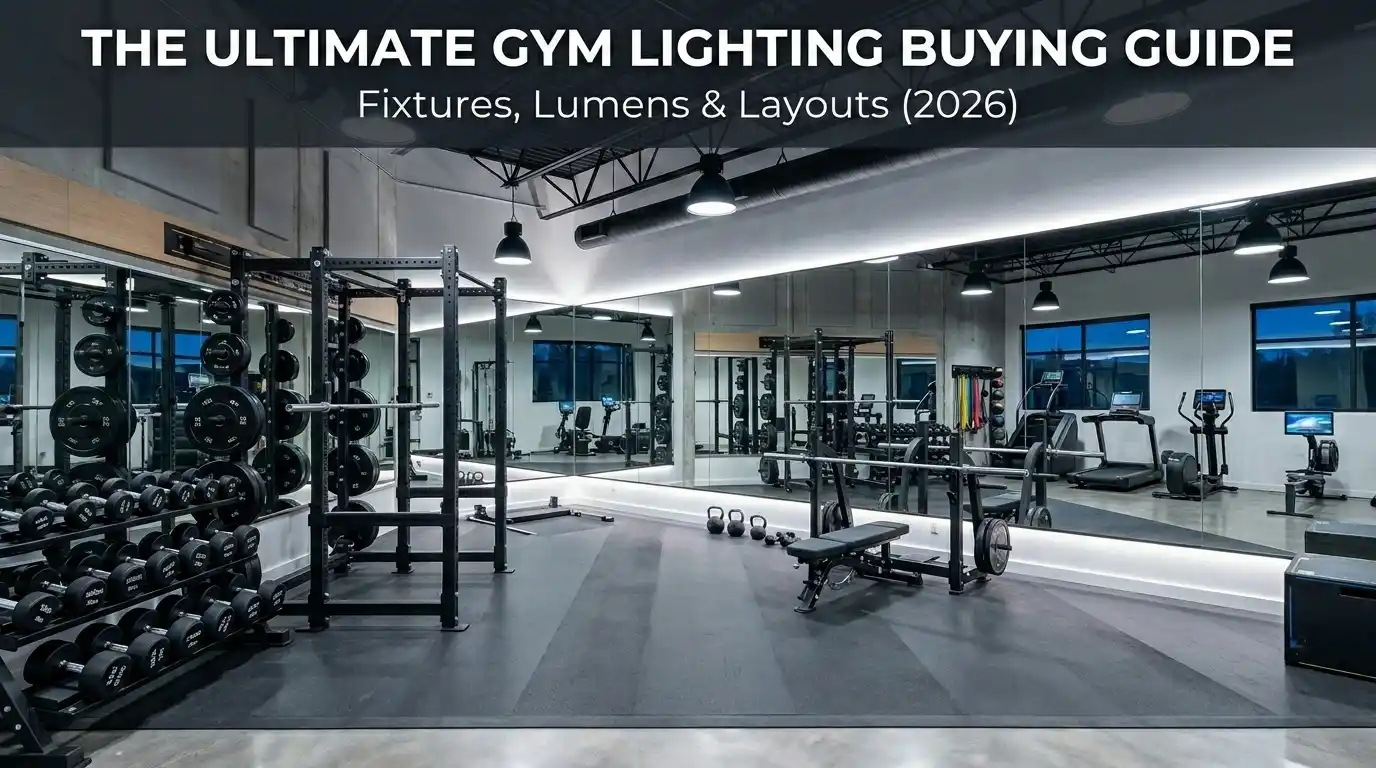
Good lighting makes for good workouts. Step into a commercial gym that is dull and shadowy, and you can feel the lethargy. Walk into a well-lit gym and you will feel more awake. Whether you have a 50,000-square-foot commercial space or a 200-square-foot garage gym, the key to gym lighting is not just luminosity, but creating an environment that enhances performance and safety. The Ultimate Gym Lighting buying guide covers everything from choosing fixtures, calculating lumens, to layout tips. By the end of this article, you will be prepared to make a well-informed choice.
Lighting is a three-in-one deal. It stops injuries, boosts performance and upgrades the aesthetic. Skipping any of these could be costly.
Safety first. Dark free-weight rooms can lead to slips, trips and falls, and make it difficult to see a training buddy. Shadows from a single overhead light source make it difficult to see hazards and affect depth perception during dynamic movements.
Then there is focus. The temperature of the light affects brain activity. Cool white (4000K-5000K) is daylight-like, with slightly elevated heart rate and alertness – ideal for high intensity and heavy strength areas. Warm white (below 3500K) promotes relaxation, so it’s not usually meant for training rooms.
Aesthetics seal the deal. Even illumination transforms a room into a picturesque gym. For business owners, this translates into retention and revenue from high-end memberships. For home gym owners, it can make the difference between hitting the snooze button and jumping out of bed to hit the gym.
The first step in making a purchase is choosing a fixture. The height of the room and the activity in the area will help you to make the right decision.
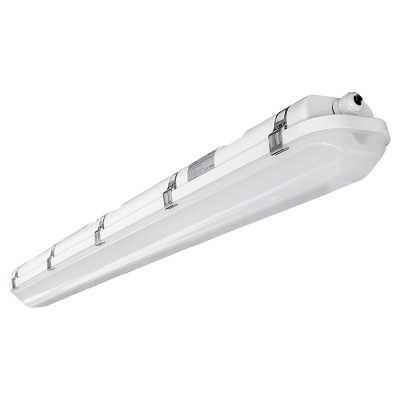
These are used in areas with ceilings 15 feet and higher. Linear high bays cast broad even light across large open spaces and are perfect for CrossFit studios, basketball-style gyms and large strength and conditioning rooms. Their elongated design and high lumens-per-unit reduce the number of fixtures required, and today’s LEDs have a high lumens-per-watt (lpw) output of 100+. If you have a high ceiling, begin your search here.
Panel lights, with LED technology, are slim and discreet, making them ideal for a drop-in ceiling that’s often used in boutique fitness studios, yoga studios and functional fitness. They are almost flush-mounted and provide gentle, diffuse light with no glare. Troffers (the traditional 2×2 or 2×4 square recessed fixtures) can be used in locker rooms and hallways for a low-profile, maintenance-friendly application.
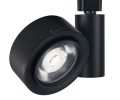
One of the common mistakes by first time lighting is to light up the whole gym using same type of lights. Whereas squat racks, deadlift stations and mirror walls are better with focused lighting. For optimum lighting you can direct adjustable spotlights to exactly the areas that need it with track lighting. Spotlights can emphasize colorful branding walls or a supplement store, focusing attention and increasing sales.
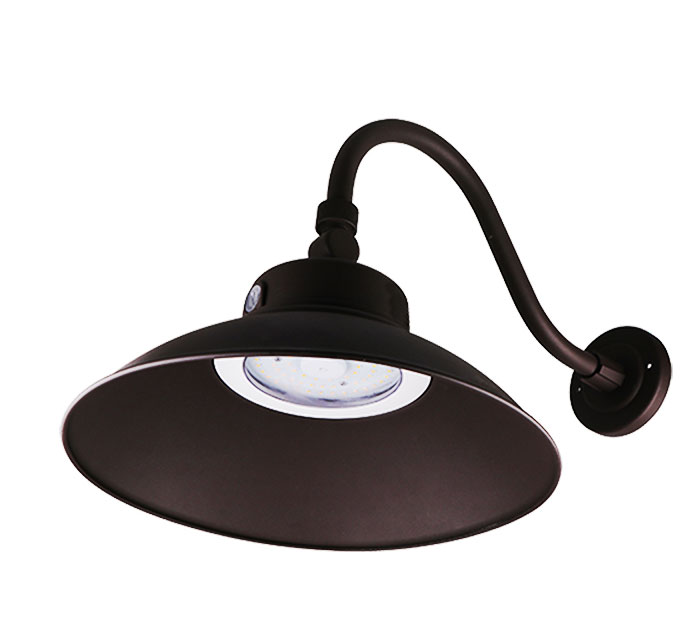
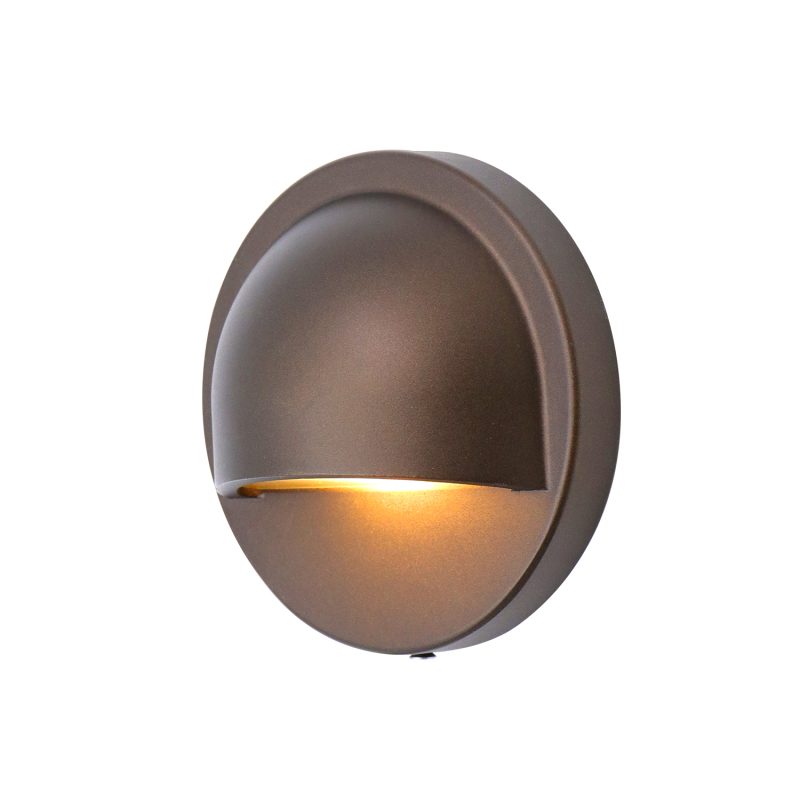
These can appear purely decorative, but they have a purpose. In hallways, next to treadmills, or next to large windows, sconces provide supplementary light to fill in the shadows. They also add depths of light that make the space appear more upscale and professional.
| Fixture Type | Best Ceiling Height | Typical Use Case |
|---|---|---|
| Linear LED High Bay | 15 ft and above | Large open training floors |
| Panel Light / Troffer | 8–14 ft (drop ceiling) | Studios, yoga, locker rooms |
| Track / Adjustable Spot | Any (aimed) | Racks, mirrors, retail displays |
| Wall Sconces | Any (vertical surfaces) | Entryways, accent corners |
Say goodbye to watts and fluorescent tube ratings. Lumens are the true measurement of light and the size and purpose of your gym determines how many you need. Lacking brightness, you end up in a cave. Aim too high without diffusion and cause glare. First, understand the lux (lumens per square meter) needed for the type of training. Imperial foot-candles are about a tenth of lux.
Check out the following table:
Multiply the square meters of your room by the lux you want for the total lumens required. For a 500-square-foot gym (46.5 m²) with 500 lux, this means 23,250 lumens. Divide this between multiple lights to prevent blinding. Distribute, never concentrate.
Even the exactly the right purchase can fail painfully if the layout is wrong. Geometry For professional gym lighting design, geometry meets purpose.
Uniform design covers the entire area with a uniform grid. This is suitable for open gyms with large areas. But most contemporary spaces need zoned lighting. For example, in a 2,000-square-foot commercial gym, you may choose to specify high-intensity linear bays over the strength zone, 2×2 panels over the mat zone, and track-mounted angled heads over the dumbbell rack to provide flattering light for clients checking out their form in the mirror.
Space is one of the most common issues when lights are not properly separated, resulting in extreme shadow effects. The spacing should not exceed 1.5 times the height of the mount over the work surface. Lights that are installed at a height of 12 feet over the floor needs an maximum distance that is 18 inches. Check the beam angle specified by the company: greater beam angles (120 °) could cover more space.
Floor-to-ceiling mirrors produce twice the reflection. Limit fluorescent strip lighting to the length of the wall mirror. If you have plenty of natural lighting, think about lighting that is dimmable, or can change according to the what time of the day it is. This method helps to save energy and creates the same welcoming atmosphere from the dawn to night-time routine.
Use this practical checklist to turn the technical concepts into an actionable purchase plan.
This guide is not the obligation to use a particular company, the categories below are the most popular market players in terms of efficiency, longevity, and user satisfaction.
Mid-Power Linear High Bay (150W – 200W equivalent): Many 2026 models deliver over 160 lumens per watt, integrated motion sensors, and 0–10V dimming compatibility. Seek out fixtures with a lightweight aluminum housing and a quick-connect pendant mount.
Architectural Panel Lights (2×2 and 2×4): The latest panels are nearly an inch thinner than previous generations. Look for edge-lit technology that reduces all visible hot spots and provides a pristine, frameless look perfectly suited for recording workouts.
Smart Spotlights and Track Systems: Wireless Bluetooth mesh track heads let you adjust brightness and color temperature directly from a smartphone. This is a game-changer for boutique studios running multiple class formats in a single space.
A high-end commercial gym lighting system is expected to cost between 60 and 120 dollars per fixture for high bays the panel lighting ranges from 40-40-80. Although initial costs are higher than the cost of fluorescent lighting, year-long savings in energy of between 40-60%, and no replacement of tubes make the financial arguments easy to understand.
The best buying decisions can fall apart during the process of installing. If you’re not an authorized electrician, make sure you engage an electrician who is licensed to handle high-bay wiring or ceiling grid adjustments. A small cost of labor is much less than repairing the code violation or uneven lighting due to misaligned fixing.
When the lens is installed, you can set the basic maintenance schedule. The chalk and dust particles cover the lenses, which reduce output slowly but not noticeable. An annual wipe-down using a dry microfiber towel will ensure maximum lumen supply. Make sure to schedule an annual review of backup batteries for emergency use as well as driver function to keep your fitness facility safe and safe.
What color temperature is ideal for a gym?
The 4000K to 5000K range delivers bright and cool light suitable for high charges that increase alertness, not to mention the ability to accurately represent true colors. The Gold standard for cardio, strength and group fitness spaces
Can I repurpose warehouse lights for use in my CrossFit gym?
Yes, but with care. Typically, warehouse lights have a lower CRI and beam is tighter. Select an ultra-high CRI LED high bay with at least a CRI above 90 and very wide beam angle (120°) to eliminate shadows produced by dynamic movements.
How many lights do I need for a 20×20 garage gym?
Four to six 2×2 panel lights or four low-bay linear fixtures designed to deliver around 20,000 total lumens typically provides more than adequate uniform coverage for a 400 sq. ft. room with an 8–10 foot ceiling.
Is the premium up-front cost of LED gym lights justified?
The justification of LED Gym Lights costs needs to be considered through an assessment of their initial expenses. The lights use minimal energy while producing almost no heat and they can operate continuously for multiple years without needing lamp replacements or system upkeep and smart control features are included in most cases. The majority of gyms achieve their financial return on investment within a two-year period.
What is the ideal ceiling height for linear high bays?
Linear LED high bays are at their best when mounted 15-feet or higher. However, for low-bay versions or high output panels, this goes between 10 and 15 feet.
How do I prevent glare on mirrors?
When hanging main ceiling fixtures, install them at a parallel angle to mirror walls instead of directly in alignment with the reflective surface. Combine this with indirect wall sconces or diffused panel lighting, and the glare is rendered virtually nonexistent.
Lighting in the gym is a combination of science, safety and conscience. You now have the recipe: choose the right product for your space, set the right lumens for each area of the gym, and complete it with a design that removes shadows and glare. Don’t just use the standard builder bulb. Your workouts and your members or personal determination are worth the vitality and focus that a deliberate lighting plan provides. Read more: Exercise in the evening may be the key to better sleep Browse our selection of best gym lighting kits, handpicked to align with the practical considerations in this guide. Get your list, crunch your numbers and light up your space now.


 DOUBLE RING FLUSH MOUNT
 DOWNLIGHTS & RETROFITS
 EMERGENCY LIGHTS
 PANEL LIGHTS
 UFO HIGH BAYS
 LINEAR HIGH BAYS
 LED EXHAUST FAN
 LIGHT BULBS
 VANITY LIGHTS
 HAZARDOUS LIGHTING
 TUBE LIGHTS
 INTEGRATED FIXTURES
 RETROFIT BULBS
 CANOPY LIGHTS
 CORN BULBS
 FLOOD LIGHTS
 GAS PRICE SIGNS
 POST TOP LIGHT
 SHOEBOX LIGHTS
 WALL PACKS
 VAPOR PROOF
 LED MODULES
 LED WALL WASHER LIGHTS
 LED UNDERGROUND LIGHTS
 LED POOL LIGHTS
 DRIVERS / POWER SUPPLY
 CONTROLLERS
 WIRING ACCESSORIES
 LIGHT POLES
 SUSPENDED PENDANT LIGHTS
 CONTEMPORARY CHANDELIERS