




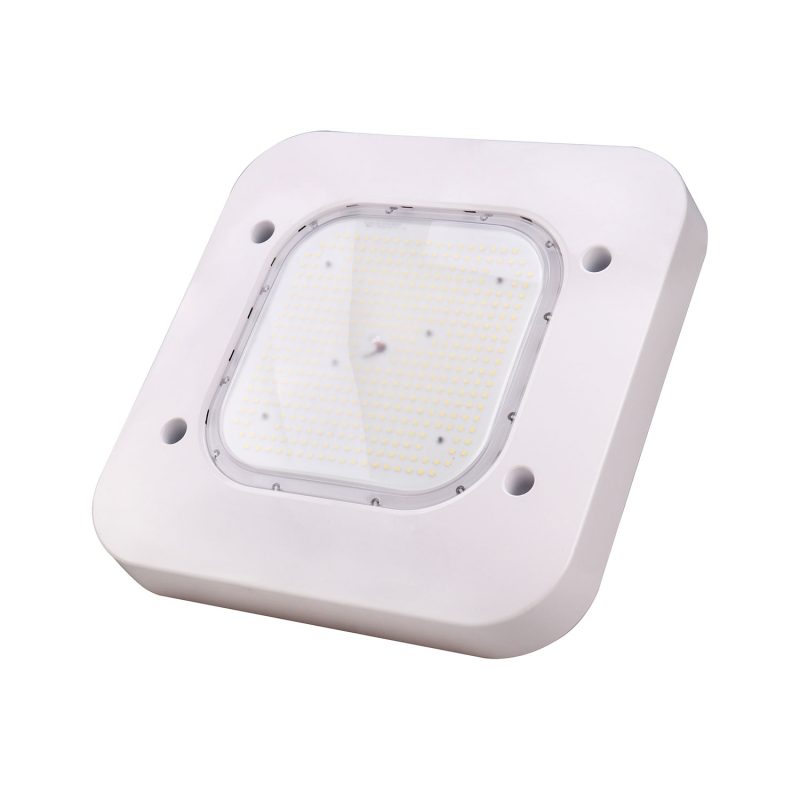
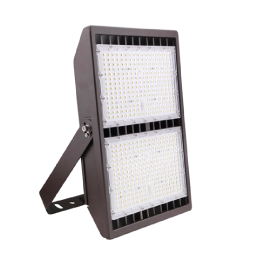
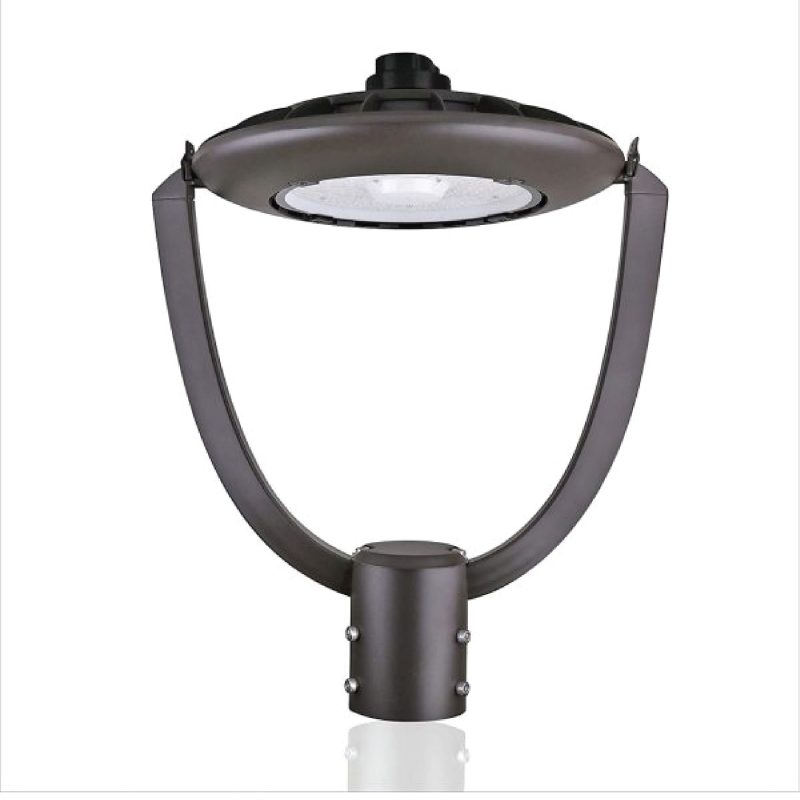











A business is successful when a balance is struck in pleasing employees, customers and manage expenses. Lighting is important in achieving this balance. Old lighting fixtures are a burden in several ways. For a business, old lighting fixtures mean constant need for repairs and high electricity bills. Also, important areas may be left poorly illuminated.
That is why Commercial LED Lighting deserves attention when planning facility improvements for 2027. Modern LED technology gives businesses greater control over brightness, energy consumption, and lighting quality without sacrificing performance.
Optimize your commercial space with the right light. From retail to manufacturing, the right lighting makes spaces look great and perform even better.
This guide explains the available lighting options, important purchasing considerations, installation costs, and practical ways to plan a successful upgrade.
Business owners want to make improvements that will pay off in the long-run. One example is upgrading lighting to a more energy efficient technology.It makes a great working atmosphere, and also cuts down the cost of operations.
Higher electricity consumption by older lighting systems, especially in facilities that are in operation for long hours, can really add up over the course of a year. Older fluorescent and metal halide fixtures often require frequent lamp changes and maintenance.
Modern LED lighting for businesses addresses many of these concerns.
The primary reason why many businesses decide to replace their lighting systems is energy efficiency.
When compared to traditional lighting systems, LED lights are much more efficient and use much less energy. The actual cost savings depend on what lighting system is replaced, how it was installed, and when it is used. For businesses that have large facilities, or facilities that have lights on during the day, even minor reductions in energy consumption can be noticeable over a long period of time.
Replacing a failed light in a small office is usually straightforward. Replacing fixtures above warehouse storage racks or production equipment is another matter.
High ceilings, specialized lifting equipment, and interruptions to normal operations can make lighting maintenance expensive.
Quality commercial LED fixtures generally provide longer operating life than many traditional alternatives, helping businesses reduce replacement frequency and maintenance costs.
Lighting should make a space comfortable and practical, not simply illuminate it.
Poor lighting can create dark corners, uncomfortable glare, and uneven brightness. Properly selected LEDs offer consistent illumination suited to different business environments.
Employees can see their work areas more clearly, while customers experience a more inviting atmosphere.
Not every commercial property needs the same lighting solution. Ceiling height, floor layout, daily activities, and environmental conditions should influence fixture selection.
Knowledge of the various kinds of lighting fixtures used in commercial establishments will help you in making a wise choice.
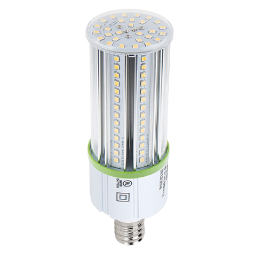
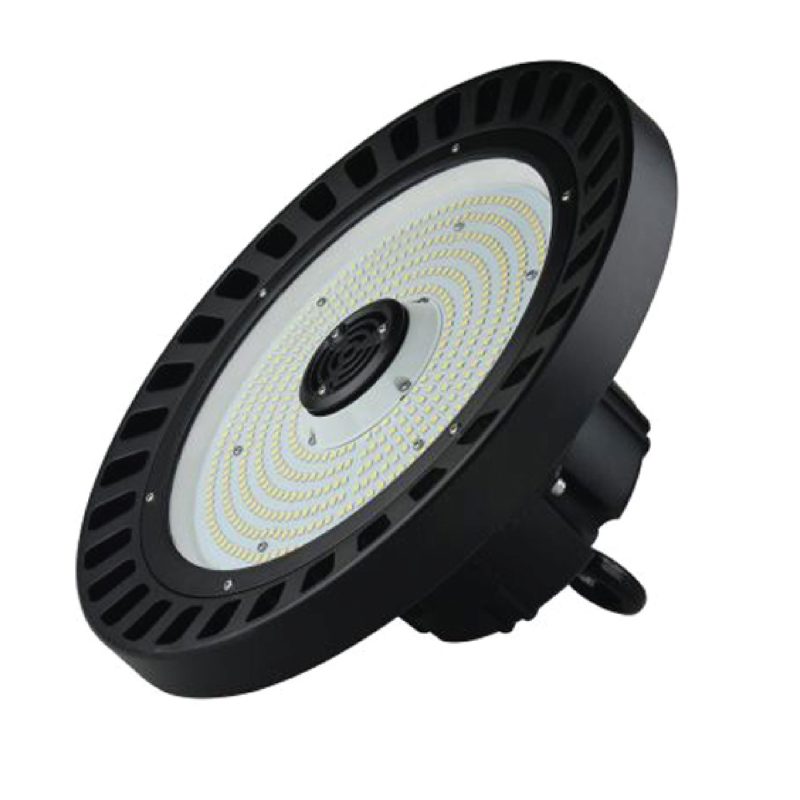
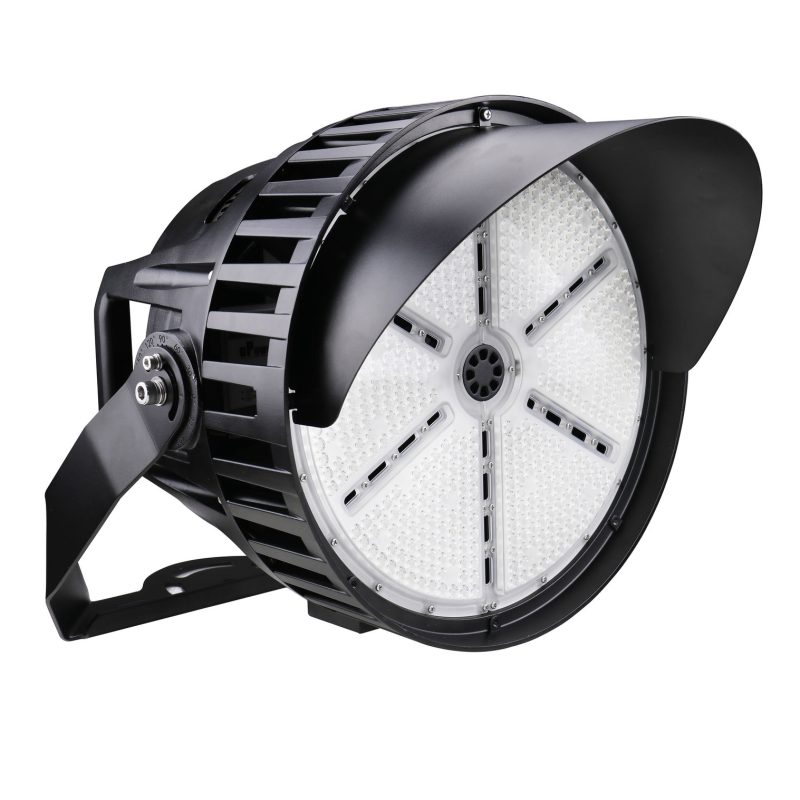
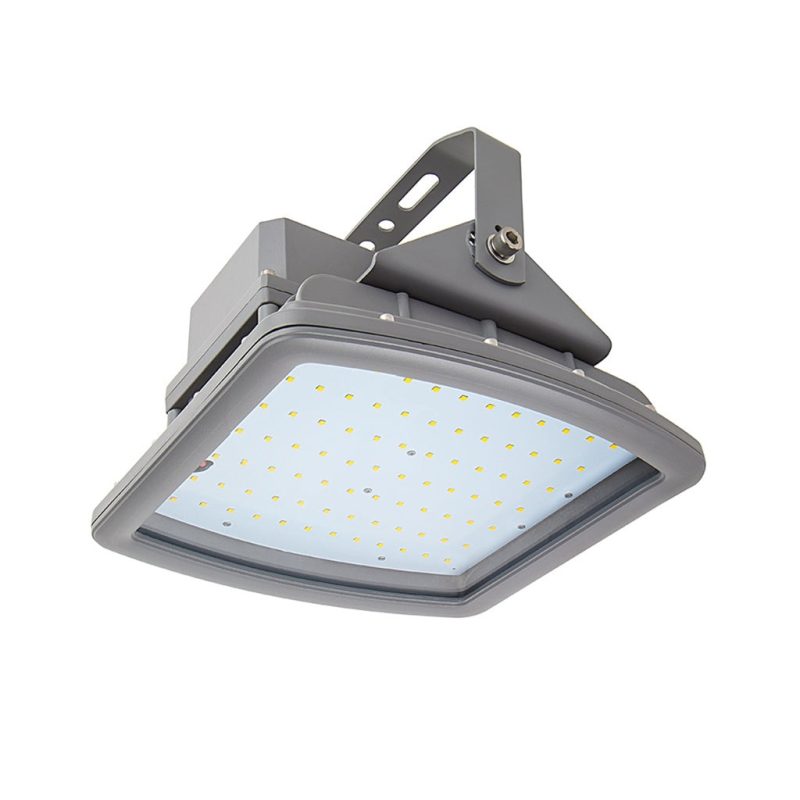
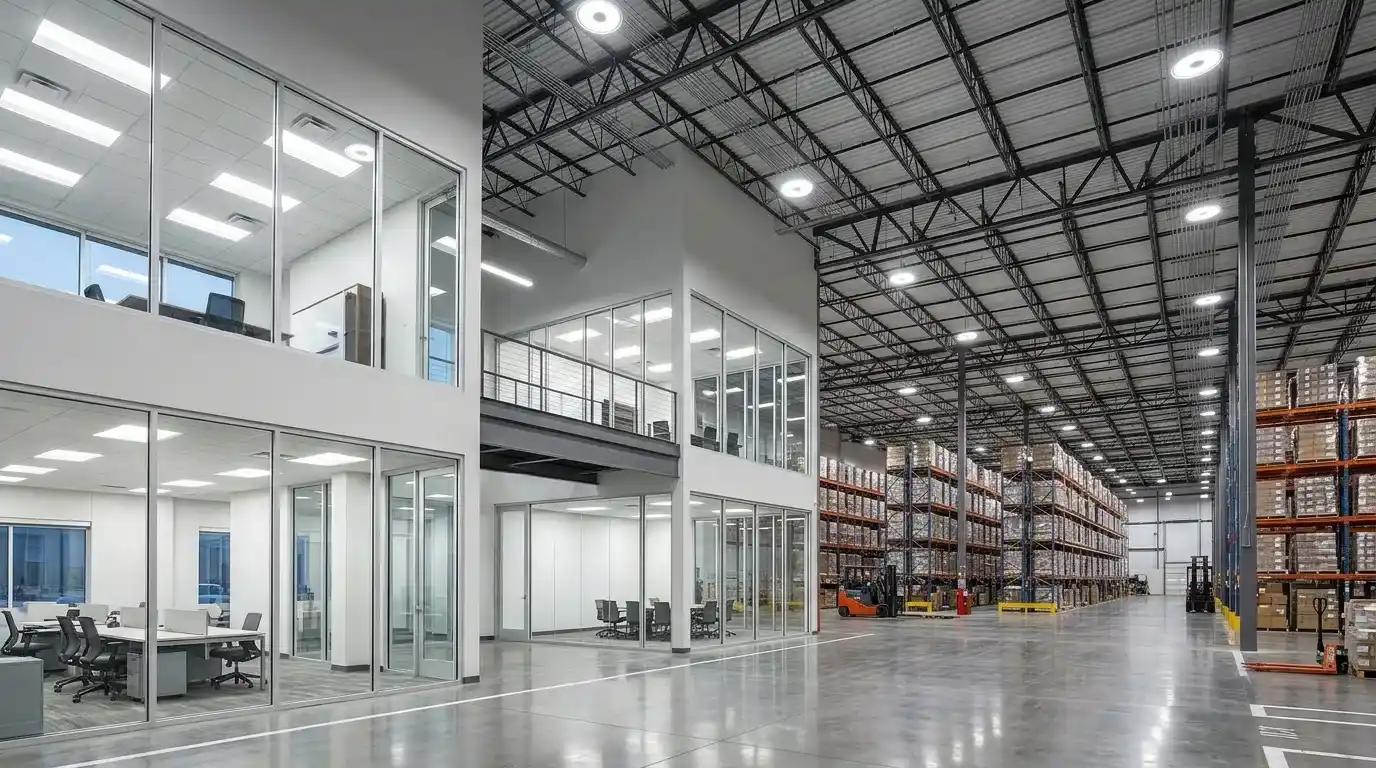
Warehouses, manufacturing plants, distribution centers, and large workshops often have high ceilings and substantial floor areas. LED high bay lights have been made especially for such areas.
They provide powerful light output and can be installed above storage aisles, production lines, and large open workspaces.
When selecting high bay fixtures, consider mounting height, beam angle, and required brightness. A narrow beam may suit certain tall spaces, while wider distributions can work better in open areas.
Lighting in an office has to help concentration and comfort for long hours of work, and help in visibility at night.
LED panel lights are good choice for conference rooms, offices, receptions and administrative areas, etc. because of their clean lines and even lighting.
They are available in different sizes and color temperatures to accommodate various ceiling layouts.
Businesses replacing older fluorescent ceiling fixtures may find LED panels a practical option for improving energy efficiency and interior appearance.
LED Troffers have gained massive popularity because they are ideal for use in all types of commercial buildings. Corporate and educational spaces rely heavily on Troffers for balanced overhead illumination. They have multiple configurations of diffusing lenses and reflectors. Troffers with lower levels of glare will illuminate workspace and common areas. There are a lot of factors to consider when purchasing fixtures, such as dimensions, lumen output, dimming, and installation.
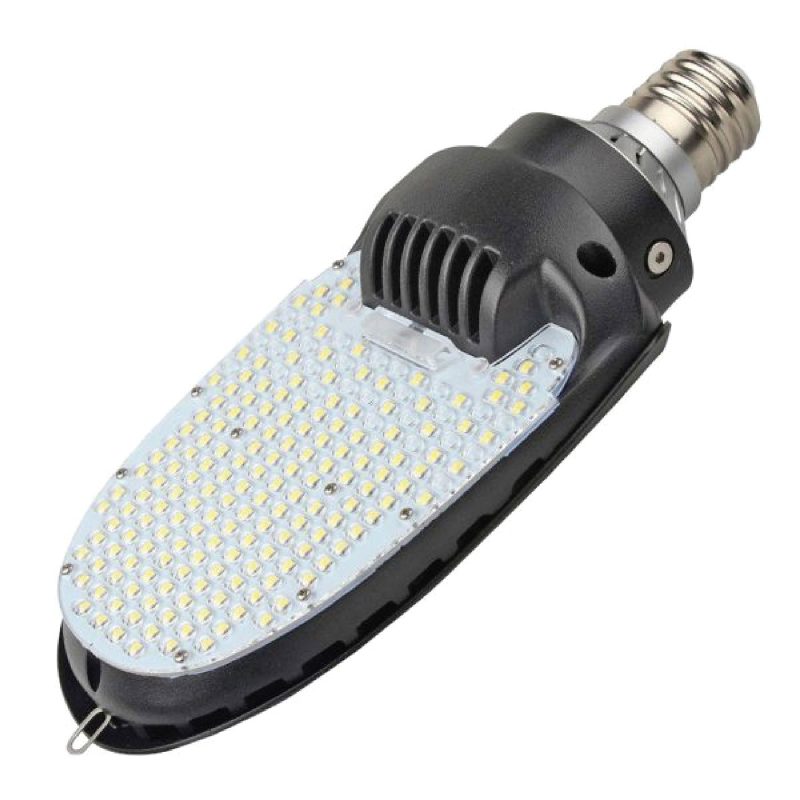
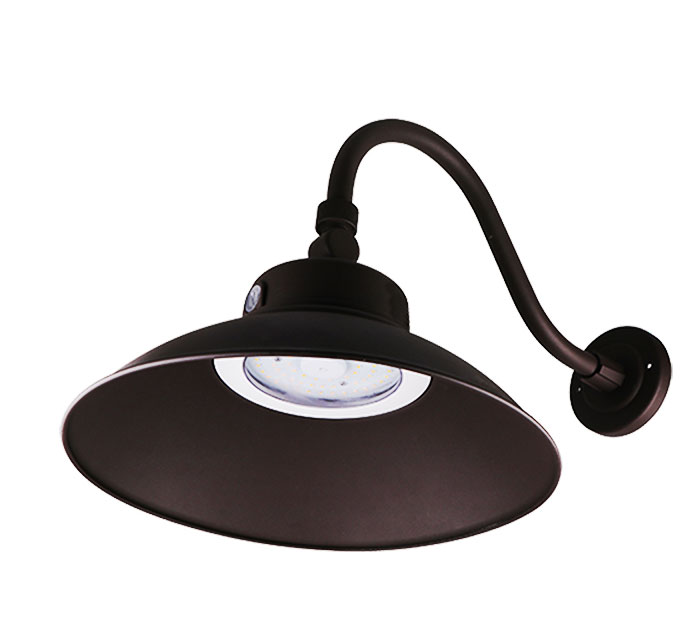
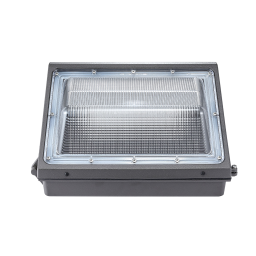
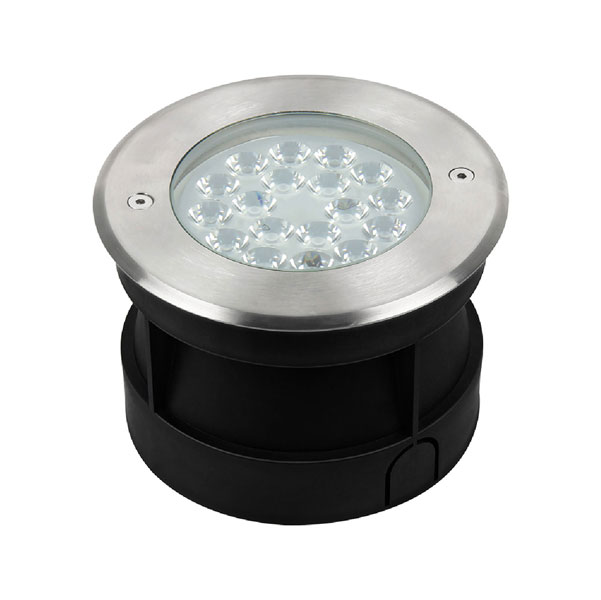
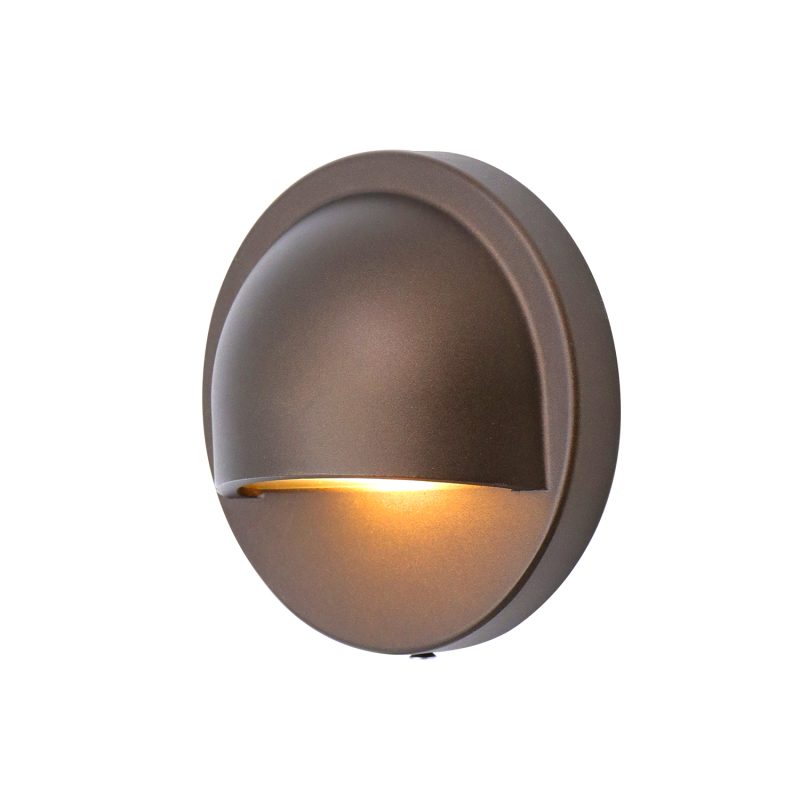
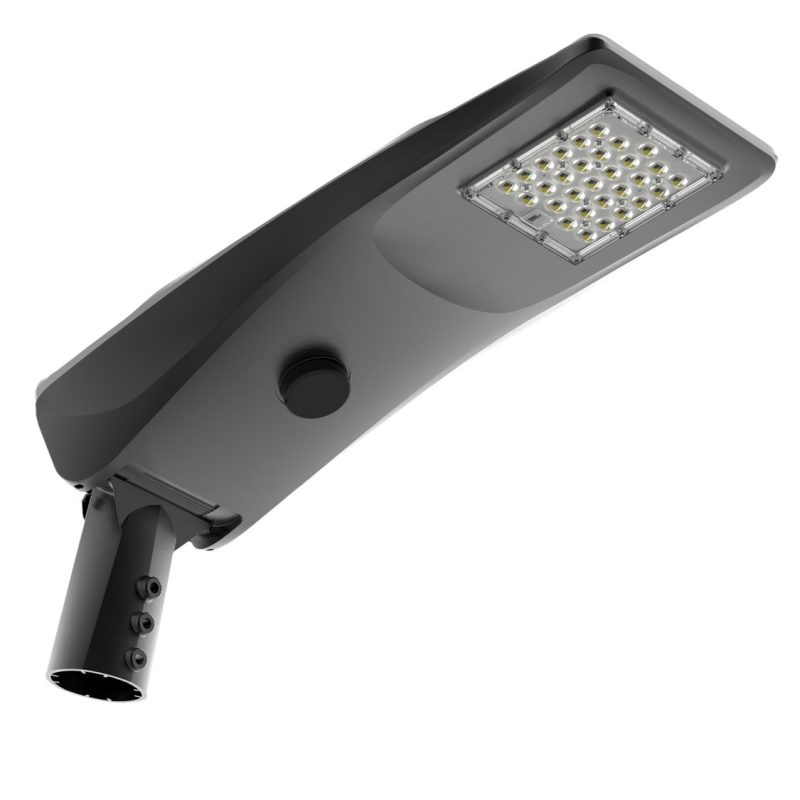
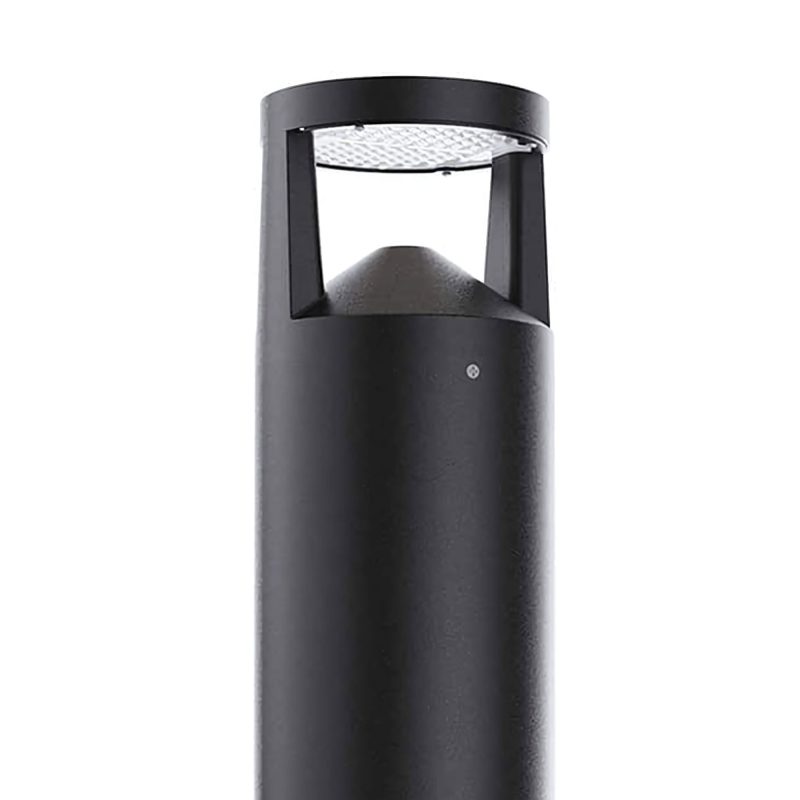
Outdoor lights provide many benefits to businesses such as enabling activities at night and protecting property and patrons. Building entrances and parking lots are made safer and more convenient with LED flood lights.
Businesses should choose weather appropriate fixtures and consider beam spread, mounting position, and potential glare.
Properly positioned outdoor lighting helps provide visibility without directing unnecessary light toward neighboring properties.
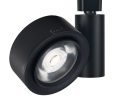
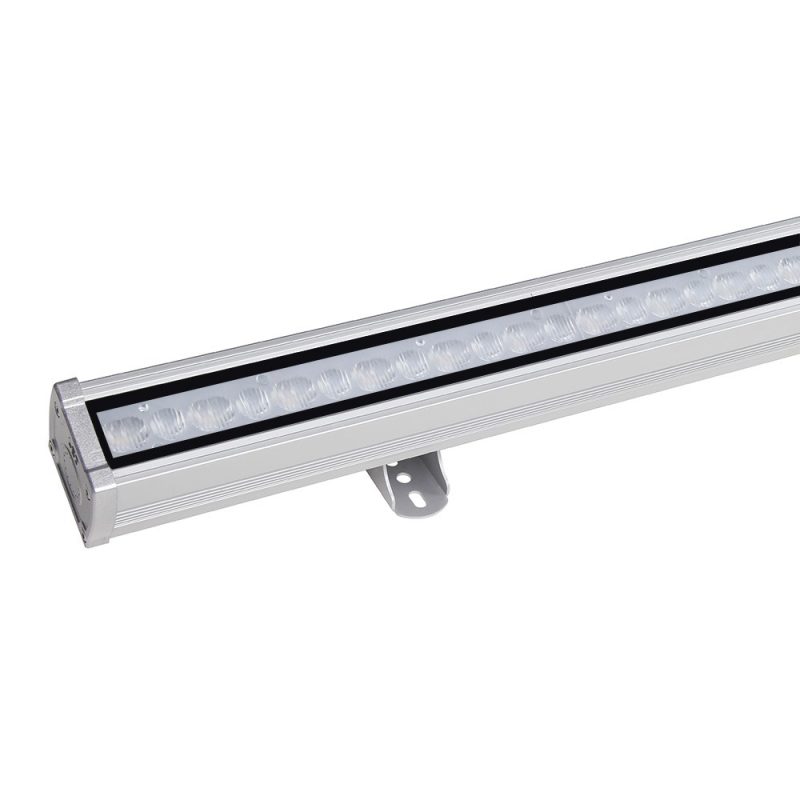
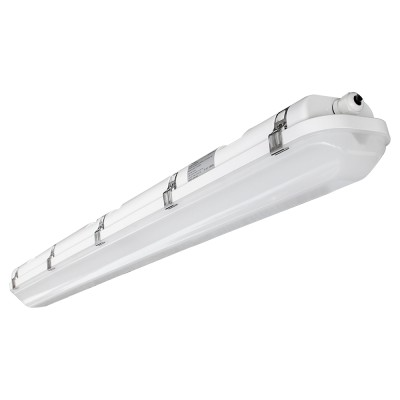
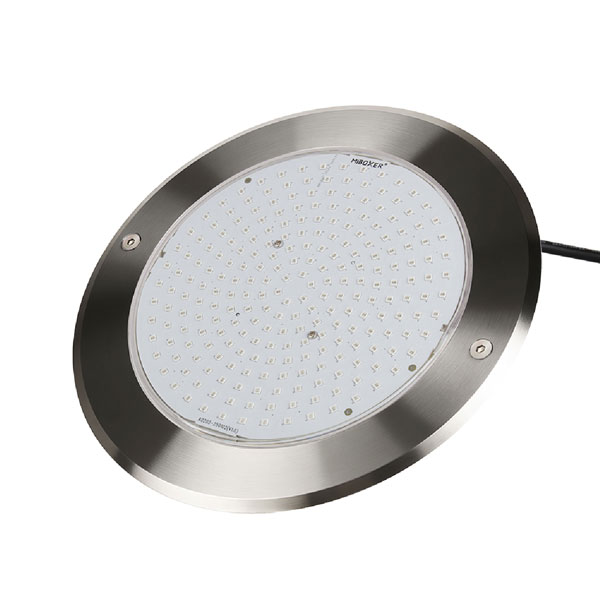
In Retail or Commercial interior spaces, outdoor lights offer maximum visibility for the items being displayed. The versatility of LED linear lights enables easy installation with shelving or pathways.
Some linear lighting systems support continuous arrangements, allowing businesses to create a consistent appearance across larger spaces.
For retail environments, color rendering is especially important because lighting influences how customers perceive merchandise.
Choosing fixtures based only on price or wattage can lead to disappointing results.
A better approach is to evaluate how each product performs in the actual environment where it will be installed.
Electrical energy use is measured in watts and the visible light produced is measured in lumens. Just because a fixture has high wattage does not mean that it is a good fixture. It is essential to measure lumens per watt to determine the effectiveness of the fixture.
However, efficiency alone does not determine whether the fixture will illuminate your space properly. Light distribution and mounting height also matter.
Color temperature affects whether a space will feel warm or cool.
| Color Temperature | Common Applications |
|---|---|
| 3000K | Restaurants, lounges, hospitality areas |
| 4000K | Offices, stores, reception areas |
| 5000K | Warehouses, workshops, commercial workspaces |
| 5700K | Selected industrial and outdoor applications |
These are general starting points rather than fixed requirements. The ideal choice depends on the tasks being performed and the atmosphere you want to create.
For example, a restaurant may prefer warmer lighting for its dining area, while a warehouse might benefit from a neutral or cooler appearance.
The Color Rendering Index, CRI for short, is a measure of how well a light source corresponds to the appearance of colors when compared to the reference source. This is important for retail shops, showrooms, design studios, etc. where color distinction is essential for the customer.
A CRI of 80 or higher is often suitable for general commercial applications, while environments requiring more accurate color evaluation may benefit from higher performance.
Commercial facilities can expose lighting equipment to moisture, dust, vibration, and temperature changes.
Outdoor installations may require fixtures with appropriate ingress protection ratings. Industrial environments may also need products designed for particular ambient temperatures or operating conditions.
Always review the manufacturer’s specifications before purchasing.
Budget planning is an important part of any lighting upgrade.
Although LED fixtures can involve a higher initial investment than some conventional alternatives, the purchase price does not represent the total cost of ownership.
Businesses need to evaluate the cost of electricity, installation, maintenance, and service life of a lighting solution.
Let’s look at a warehouse replacing 40, 400-watt lights with 150-watt LED lights.
| Cost Factor | Existing Lighting | LED Lighting |
|---|---|---|
| Number of fixtures | 40 | 40 |
| Power per fixture | 400W | 150W |
| Total connected power | 16kW | 6kW |
| Annual electricity use | 57,600 kWh | 21,600 kWh |
| Annual electricity cost | $8,640 | $3,240 |
If the lights are on for 12 hours a day and operate for 300 days in a year, and the cost of electricity is $0.15 per kWh, what are the potential energy savings?
According to this example, the warehouse could save 62.5% on the cost of lighting.
This is an example only, and many factors must be considered to find potential energy savings for lighting upgrades including the lighting system being replaced, controls and schemes, the electricity rate, and the policies and strategies of the business. It must also be verified that an equivalent level of lighting is provided.
To calculate payback period (or the potential savings period), use the equation below.
Payback Period = Total Project Cost / Annual Savings
Let’s say the cost of a lighting project is $12,000 and the anticipated annual savings is $5,400. The payback period is approximately 2.2 years.
This calculation excludes financing costs, future electricity price changes, maintenance savings, and other financial considerations.
A complete investment assessment should account for these factors before making a purchase.
Modern commercial lighting is about more than efficient fixtures.
Lighting controls help businesses manage when lights operate and how much illumination they provide.
Occupancy sensors can automatically adjust or switch off lighting when an area is unoccupied.
They are especially useful in storage rooms, restrooms, meeting rooms, and spaces with irregular activity.
Buildings with windows or skylights may receive enough natural light to reduce artificial lighting during certain hours.
Daylight sensors can adjust compatible fixtures according to available daylight, helping avoid unnecessary electricity use.
Dimmable fixtures are Programmable controls that allow mangers to set various brightness levels appropriate for different activities.
Scheduled controls allow users to time lights to coincide with business opening/closing hours and adjust for cleaning schedules and occupancy.
When planning a new installation, confirm that drivers, sensors, and control systems are compatible. Local energy codes may also specify particular control requirements.
Addressing the existing issues should be the priority for a lighting project.
Using high lumen fixtures is a common mistake. High lumen output doesn’t always mean high visual quality. An excess of lumens in a fixture can lead to glare and a waste of energy.
Another common mistake is not taking installation conditions into account. A fixture made for a controlled indoor environment may not work as intended in an outdoor, uncontrolled, environment.
Additionally, purchasing a product without looking into the electrical specifications, warranty information, or performance reports is a mistake.
Finally, assuming a fixture can be installed in a similar manner to the previous fixture can also be a mistake. Every fixture should be examined and assessed to see if it is performing efficiently.
A lighting assessment can look at various control strategies and ways to better utilize existing fixtures and layouts to determine if changes could produce a better result.
This approach helps business owners make purchasing decisions based on performance and long term value.
Commercial lighting is a significant investment, especially when purchasing fixtures for an entire building.
Low purchase prices can be attractive, but product reliability should receive equal attention.
Poorly designed fixtures may experience premature driver failure, inconsistent color, reduced light output, or difficulty integrating with controls.
Look for products that have clear, technical documentation, credible performance testing, and appropriate safety certifications, and meaninful warranties.
For eligible commercial applications, the DesignLights Consortium Qualified Products List can assist buyers in comparing products to established technical requirements.
Reliable commercial LED fixtures should meet the practical needs of your facility rather than simply offer impressive specifications.
Finding a suitable lighting supplier is another important part of the purchasing process.
Businesses should work with suppliers that provide clear product specifications, multiple fixture options, and guidance on matching products to the intended application.
At Super Tech LEDs, businesses can explore lighting solutions for warehouses, commercial interiors, retail facilities, garages, and outdoor spaces.
Whether you need high bay fixtures for a large warehouse or commercial lighting fixtures for an office renovation, comparing products according to your space and operating requirements is the best place to start.
Consider your project size, ceiling height, lighting goals, and budget before finalizing an order.
Lighting solutions for various facilities often depend on the purpose and layout of the building. LED panels or troffers are a good choice for offices, while high bay fixtures are usually a better choice for warehouses. Display, linear and accent lighting can all be beneficial for retail stores.
Businesses save money when they replace inefficient lighting systems with LEDs, especially when used in conjunction with appropriate controls. In some cases, payback periods can be as short as a year.
Many commercial LED products are designed for tens of thousands of operating hours. Actual service life depends on product quality, operating temperature, installation conditions, and maintenance. Manufacturer lifetime ratings should be reviewed for each model.
Yes, provided the fixtures are specifically designed and rated for the installation environment. Outdoor lighting should have appropriate protection against weather exposure and other site conditions.
For many businesses, it can be a worthwhile investment because it offers opportunities to lower electricity expenses, reduce maintenance, and improve lighting quality. A project specific cost assessment will help determine the financial benefits.
Planning a lighting upgrade for 2027 is an opportunity to improve more than electricity efficiency.
The right Commercial LED Lighting can make daily operations easier, improve the appearance of business spaces, and reduce the expense of maintaining outdated lighting systems.
Changing fixtures according to specific operations gives better results, whether in a warehouse, office, retail store, or other facility.
Before purchasing, compare performance, installation needs, control options, and total ownership costs.
Explore commercial LED lighting solutions at Super Tech LEDs and find fixtures suited to your business, facility size, and lighting goals.

