













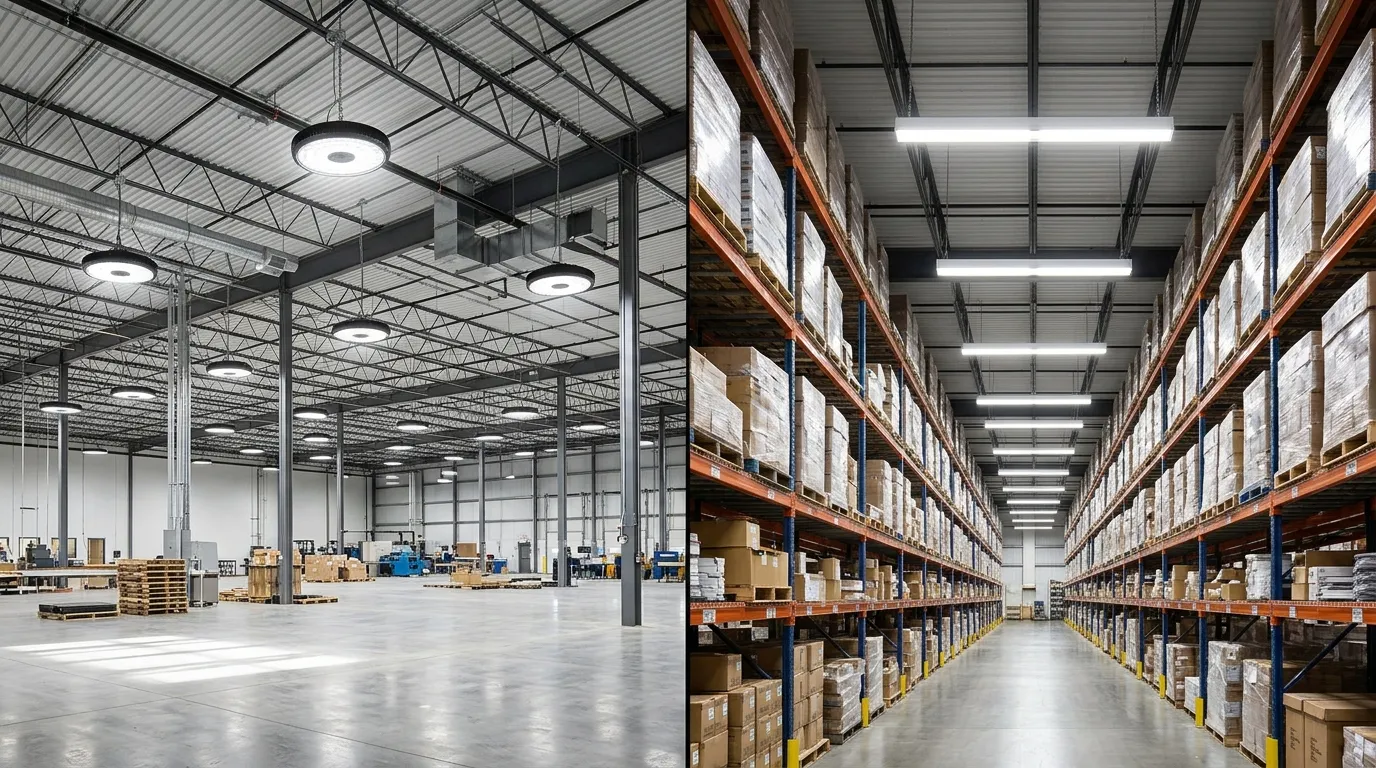
It is not always easy to select appropriate lighting for a warehouse or an industrial building. Required fixtures should serve the purpose of providing sufficient brightness, keeping electricity expenses reasonable, and working effectively in various conditions. UFO LED and linear high bay lights are two common types of fixtures. Both types of lights are appropriate for commercial spaces with high ceilings, but their constructions as well as functions are different. Making inappropriate selection of fixtures may result in dimly lit areas, inconsistent lighting, or higher installation fees.
When comparing UFO vs Linear high bay lights, the most important factors are ceiling height, light distribution, building layout, and the type of work performed below the fixtures.
A large warehouse with open storage areas may have different lighting requirements from a distribution center filled with tall shelving and narrow aisles.
This guide explains the key differences, benefits, installation considerations, and costs of both lighting types to help you choose the right solution for your facility.
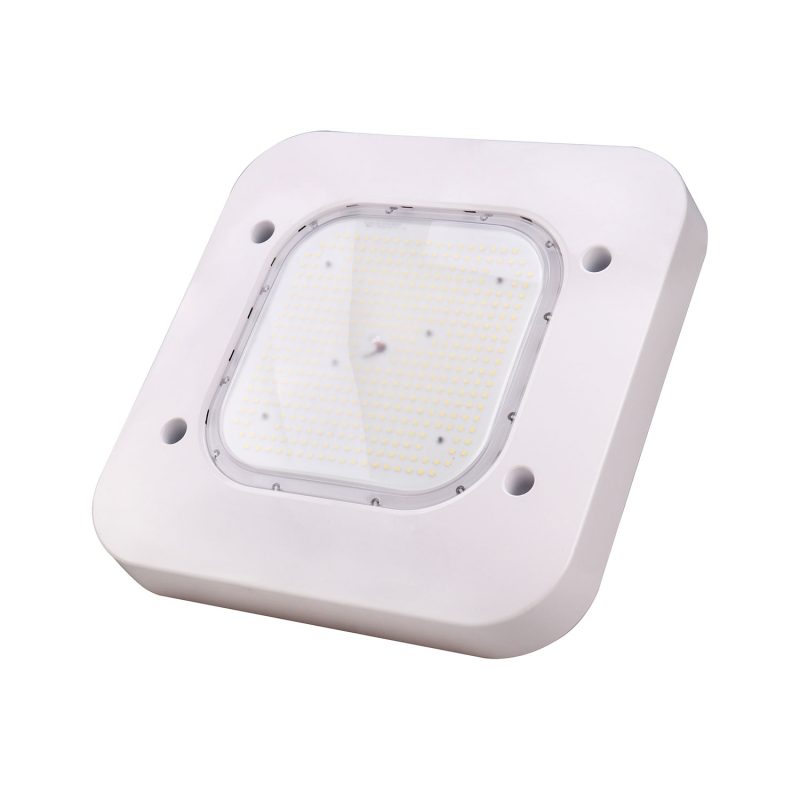
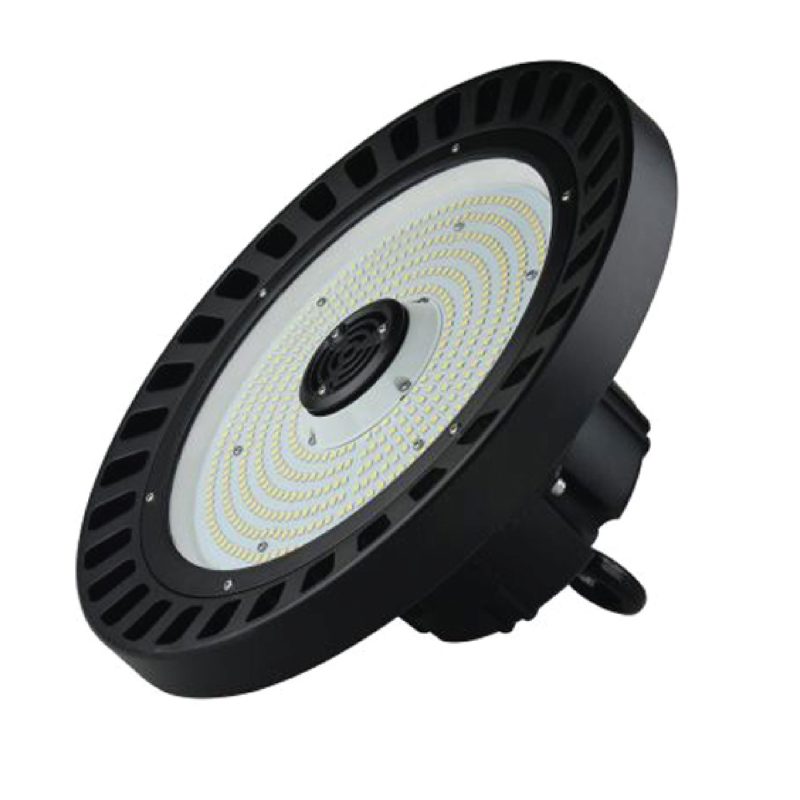
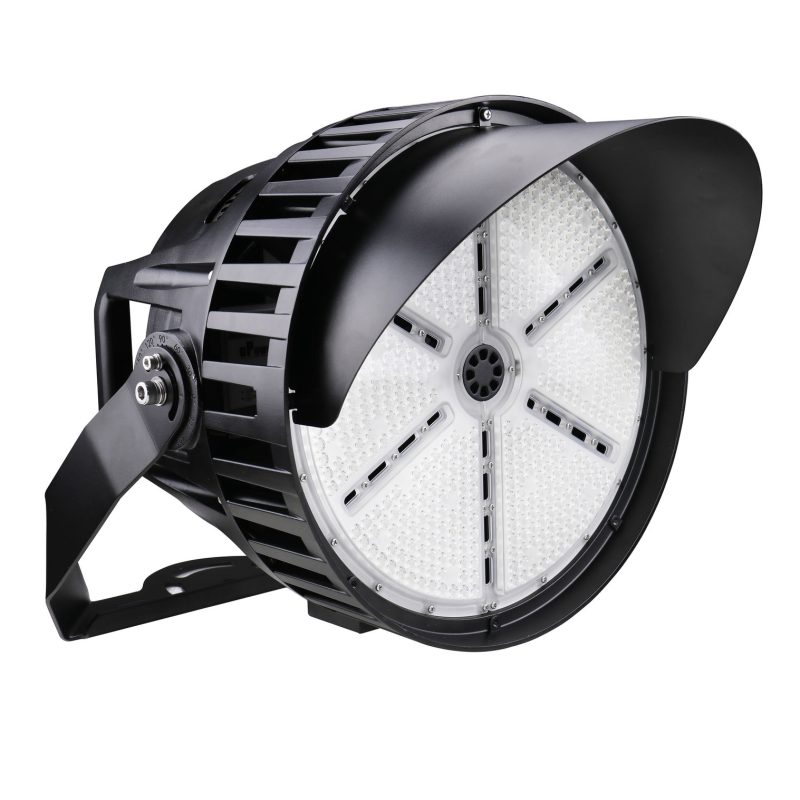
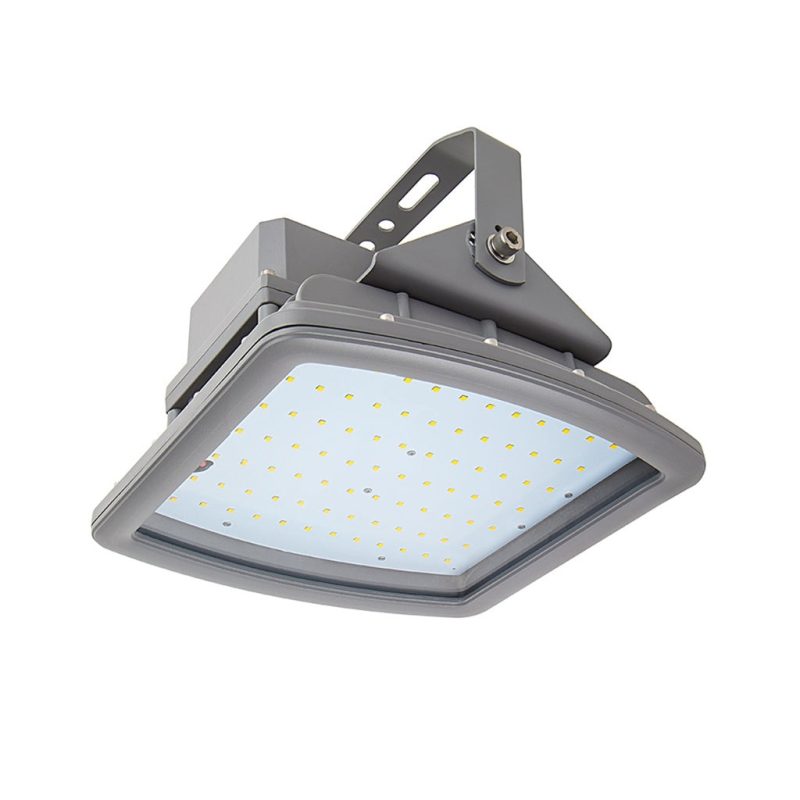
UFO High Bay Lights are compact, round lighting fixtures designed for commercial and industrial buildings with elevated ceilings.
Their circular appearance resembles a flying saucer, which explains the name UFO.
These fixtures typically feature LED chips, a heat sink, and an integrated or attached driver. Many models use aluminum housings designed to help manage heat during operation.
UFO fixtures are commonly installed using hooks, chains, pendant mounts, or suitable mounting brackets.
The compact design allows them to be useful in locations where bright lights are required without the installation of bulky rectangular lights.
UFO lighting is frequently used in:
The UFO light is a source of symmetrical beams of light, which is why it is perfect for application in open spaces. Its efficacy will depend on the mounting height, beam angles, and positioning of the lights.
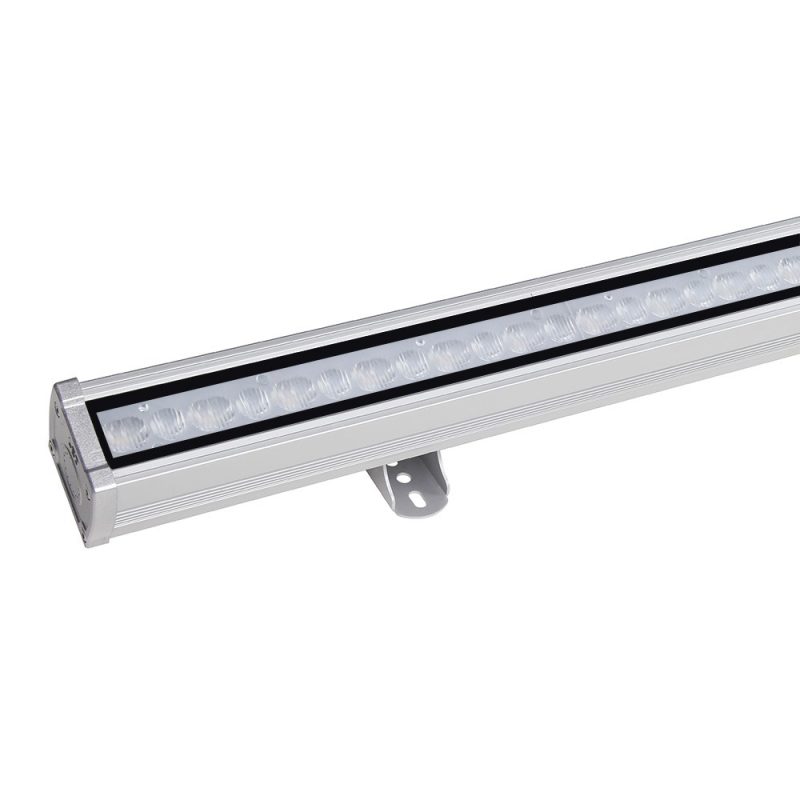
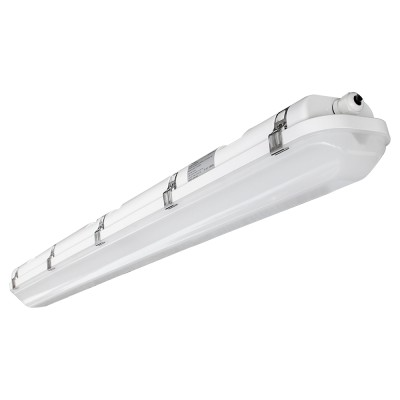
These linear LEDs for the most part take on an elongated and rectangular design and are popular choices for illuminating areas like warehouses and commercial buildings. Rather than keeping all of the light sources in a condensed circle, these linear lights have LEDs distributed across a longer surface. Some optical designs of these lights offer broad, long or aisle focused light, making these perfect for shelving and other areas where defined work is needed. Linear LEDs also offer mounting solutions beyond suspending by a chain and cable and include multiple different mounting orientations.
Linear lights can be used in:
The rectangular design might be suitable in applications where lighting must be installed along a straight path.
However, the rectangular design itself will not necessarily provide better lighting results. It will all depend on the optics of the light fixture itself.
A proper warehouse light comparison involves more than looking at fixture shape or wattage.
Both lighting types can deliver strong illumination, but they differ in how they are installed and how their light is distributed.
What stands out the most is the design of the two lighting types. In contrast to UFO lights, which are constructed with compact round fixtures, LED lights have much bigger profiles, and therefore they can take up more room. Linear fixtures are longer and rectangular. Their design often aligns naturally with warehouse shelving, aisles, and production equipment. Neither shape is automatically more durable or efficient. Housing materials, driver quality, and thermal management determine much of the product’s reliability.
Light distribution is one of the main factors to consider when choosing high bay lighting. UFO lights are mostly used in situations where the illumination will be symmetrical and spread outwards from the main fixture. They are popularly used in open floor plans where the illumination is required to spread out to various places. Linear fixtures give you extended or aisle light distribution depending on the requirements. For instance, a warehouse that has long pallet racks will require linear fixtures with aisle optics. A UFO fixture with the correct beam angle can also illuminate an aisle effectively. When making a choice, one should consider the lighting concept that takes into account the genuine lighting provided by the fixtures and not just their appearance.
In general, both types of lights can be used in areas with high ceilings but some models will fit better for that purpose.
UFO fixtures are frequently used in tall warehouses and industrial facilities because compact housings can deliver substantial light output.
Linear fixtures are also used in high ceiling spaces, particularly where lighting needs to follow aisles or production lines.
Rather than assuming one type is suitable for every mounting height, check the manufacturer’s recommended installation range.
Ceiling height, fixture spacing, beam distribution, and required brightness should all influence your selection.
Methods of installation influence the project’s cost especially when several appliances are replaced. A significant amount of UFO high bay lights can be installed in a single position, which makes installation simpler if appropriate mounting points are available. To install linear light fixtures, there may be needed several mounting points for them to be installed according to the alignment. Nevertheless, certain types of linear fittings can be mounted easily in a continuous manner. Electric wiring, mounting accessories, availability of the ceiling, and requirements on safety can affect labor costs. Hiring professionals is advised when commercial lighting structures are installed.
The problem of glare may arise when working people look up frequently or use equipment under bright lights.
Due to the fact that UFO lights are concentrated in a small place, this may result in their excessive glare in the case of improper installation.
As for linear lighting fixtures, these distribute light across larger area and make it more comfortable when used with proper diffusers.
But it should be stated that no design guarantees comfort.
Light intensity, optical distribution, height of installation, and angles should be taken into consideration to ensure comfort.
There are long-term benefits to LED lighting. Drivers (fixtures) need regular maintenance, and the design and construction of the driver, the environmental conditions and the fixture’s operating temperature all impact maintenance requirements. Linear drivers can also be sealed, making them suited to harsh environments, similar to many UFO models. Always review the fixture specifications as some driver designs do not offer superior environmental protection.
The best choice depends largely on how your warehouse is organized.
A facility with open storage areas has different lighting needs from one containing multiple rows of tall pallet racks.
When large areas do not have too much shelving, then UFO high bay lights can be useful. The compact design gives a symmetrical beam pattern, which makes it easier to illuminate the floor, loading area, and general storage area. So it is vital to space them properly to avoid dark spots in between.
Facilities with tall racks and narrow aisles may benefit from linear LED high bay lights with specialized aisle distributions.
Workers need visibility along the floor and on vertical rack surfaces to read labels and locate products. Suitable linear optics can help direct light toward these important areas. However, round fixtures with appropriate aisle optics may also work.
Some facilities contain open loading areas, storage racks, packing stations, and production spaces within the same building.
In these situations, using both types of fixtures may be the most effective approach.
For example, UFO lights may illuminate open storage areas while linear fixtures serve picking aisles.
The goal is to create consistent, useful lighting without purchasing unnecessary equipment.
Efficiency is one of the biggest problems that arise when companies are using the lighting system all through the day. The efficiency of both types of fixtures is due to the fact that they are made from LEDs and offer significant savings when compared to less-efficient traditional lights. However, there is no automatic difference in the efficiency of either type of fixture.
Wattage measures power consumed, while lumens measure visible light emitted. For instance, a 150 watt UFO fixture emits 22,500 lumens and a 150 watt linear fixture also gives off 22,500 lumens as well. Hence, the efficacy in both cases is reported to be 150 lumens per watt. So in this case, they have the same electrical efficiency. However, the difference in their functionality is determined by the way their light disperses. Hence, a properly devised lighting system can reduce the number of fixtures to achieve proper illumination. Therefore, the comparison of total energy consumption of the project is sensibly important more than the comparison of the wattages of the products.
The cost of the lights is an essential factor in the purchase decision, however, it should not be the only one influencing the choice.
In terms of the cost, UFO type lights are beneficial for installation of lighting in open spaces because they are compact and easy to mount. In contrast to the UFO lights, linear light fixtures might involve additional costs for materials and installation due to the use of special optical systems. Besides, the price
One point suspension might make installation of some UFO lighting easier.
Linear lighting will need extra mounting, even though the proper mounting system will decrease this labor time. The project including already available electric system, higher ceiling or special equipment may raise cost of both systems.
Electricity costs will depend on installed watts and operating time. For instance, replace 40 existing lights of 400 watts each by 40 lights of 150 watts, each. If the lights work 12 hours per day and 300 days a year, then the saving of electricity will be about 36,000 kWh yearly. With electricity costs of $0.15 per kWh, it will make annual saving of $5,400. It is relevant for either UFO or linear LEDs, provided that they consume the same amount of power. It does not include lighting appropriateness of the replacement design, or difference in losses from ballasts, etc.
The highest price does not always mean a better value if the fixture provides reliable operation, sufficient light coverage, and low maintenance needs. Look at the complete installation and its full capabilities instead of just looking for low-cost components.
Before purchasing commercial high bay fixtures, evaluate the following factors.
The illumination area should be identified in the first place. Open spaces tend to allow greater flexibility in the arrangement of fixtures. On the other hand, tall racking and narrow aisles complicate lighting planning processes.
Each particular room is designed for a specific activity. Thus, what is enough for a storage room may not be sufficient when it comes to packing facility, manufacturing premises, and inspection areas. A light calculation may be beneficial in defining the necessary light levels.
A beam angle is responsible for the distribution of light. Whereas narrow beams might have their applications, wide beam angles are better suited for spacious areas. Choosing the beam type depends on the height of the lamp as well as the place of installation.
Various commercial high bay lighting units typically offer color temperatures of 4000K, 5000K, and 5700K. For most work environments, neutral white light can be used, while cooler colors are preferred in some industrial cases. The choice of the correct option is determined by the required conditions of visibility as well as the needed atmosphere.
Consider the efficiency, performance rating, durability, electrical specifications, environmental protection, and warranty offered for fixtures. The appropriate listings provided by the DesignLights Consortium will help customers to determine performance and rebate information for fixt ures.
The use of timing devices, dimmers, and occupancy sensors can help to save energy and electricity. However, it is better to check if the LED driver is compatible with the sensor as well as control equipment.
There exist situations when a company purchased the lights with the highest wattage believing that high wattage gives better lighting. As a result, the light can be overly bright and lead to higher rates. Another mistake is ignoring the real light distribution. One can have a lot of lumens, but the work area being poorly illuminated. Additionally, purchasing the lights without taking into account the conditions of installation may create many problems. One needs to know the type of ceiling, wiring, ambient temperature, and other environmental factors before making an order.
Selecting a dependable supplier is important when upgrading warehouse or industrial lighting.
Look for clear technical specifications, appropriate fixture options, product warranties, and information that helps you compare lighting performance.
At Super Tech LEDs, businesses can explore commercial and industrial LED lighting solutions for warehouses, workshops, manufacturing facilities, and other high ceiling spaces.
Consider all options based on your open warehouse or organized storage aisles needs, from compact UFO high bay lights to linear fixtures. Take the ceiling height, floor layout, operating schedule and the lighting budget into consideration before buying.
There is no clear correct or incorrect either. UFO fixtures are well suited to open spaces, linear fixtures with appropriate optics can be especially useful in aisles in warehouses or rectangular working areas.
Which of the following types of high bay light is more energy efficient? (A, B or C)
Specifics of the individual product and the full lighting scheme will be necessary to achieve energy efficiency. Look at l/lw and TIE and not just fixture shape.
Are linear LED high bay lights for tall warehouses?
Yes. A lot of linear fixtures are suitable for mounting at high heights. Always review manufacturer’s mounting directions and optical specifications.
Yes. UFO fixtures with appropriate optics can illuminate warehouse aisles and storage areas. A lighting layout should confirm that sufficient illumination reaches the floor and rack surfaces.
It is possible to have different lighting fixture types together if there are open storage spaces, aisles, and work stations in the building.
After weighing the pros and cons of UFO vs linear high bay lighting, it can be said that the choice should be made on the basis of the in-house configuration, illumination specification, and economic profitability. UFO lights are known to work in ideal conditions in open warehouses, industrial areas, and wide commercial spaces. Linear high bay lights, however, are best for illuminating aisles, preparation centers, and other planned areas.
Both technologies offer opportunities to improve illumination and reduce electricity expenses when replacing inefficient conventional lighting.
Before purchasing, compare fixture specifications, installation requirements, light distribution, and overall project costs.
Explore LED high bay lighting solutions at Super Tech LEDs to find reliable lighting options for your warehouse or industrial facility.

