


















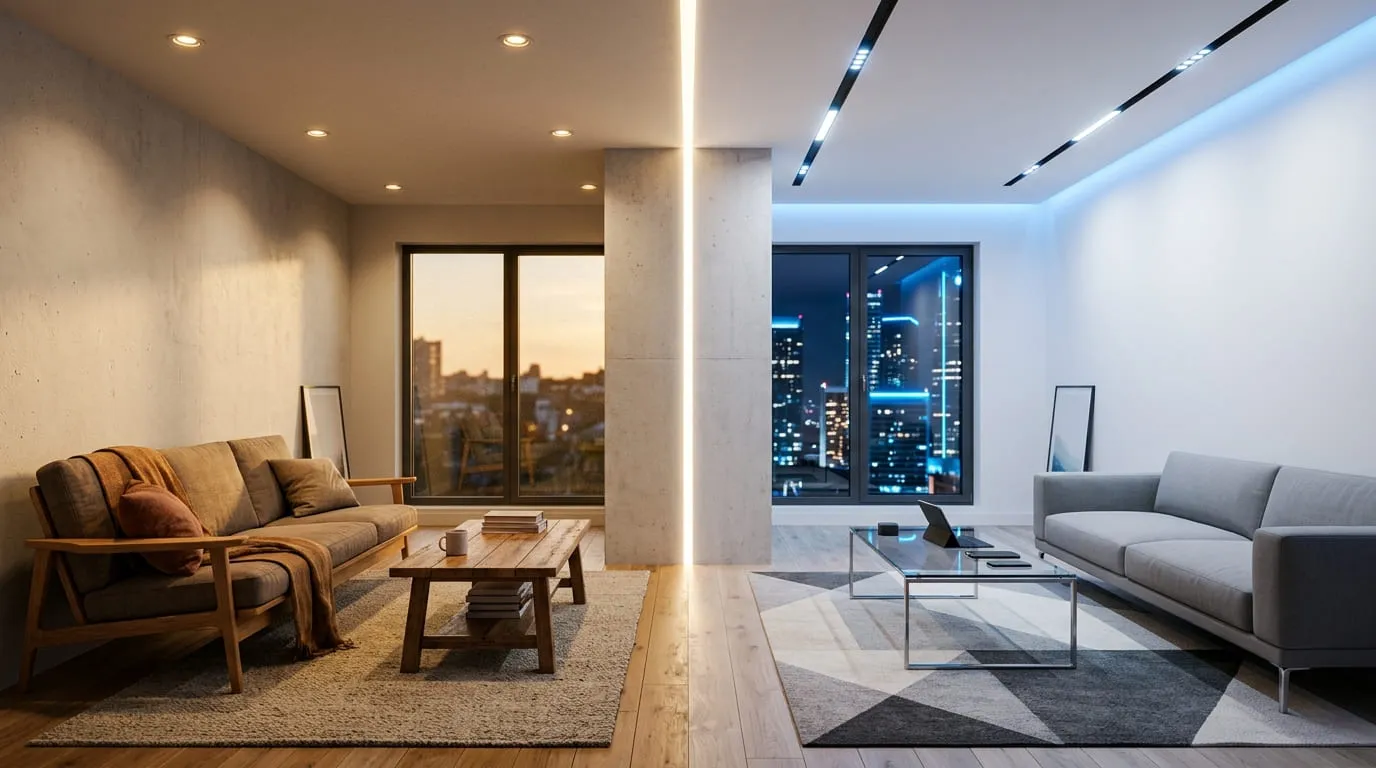
LED lighting has evolved considerably over the past several years, and 2026 models offer measurable improvements in efficiency, smart functionality, and design versatility compared to older generations. However, not every household needs to replace every fixture immediately. This guide breaks down exactly where upgrading makes financial and practical sense and where your current setup is still doing just fine.
If your home’s light fixtures were installed five or more years ago, you’re likely working with first- or second-generation LED technology. Early LEDs were a major leap over incandescent and CFL bulbs, but the category has matured significantly since then.
Today’s LED light bulbs and built-in fixtures have advantages such as:
This evolution affects everything from led ceiling lights in living spaces to led panel fixtures used in offices and garages.
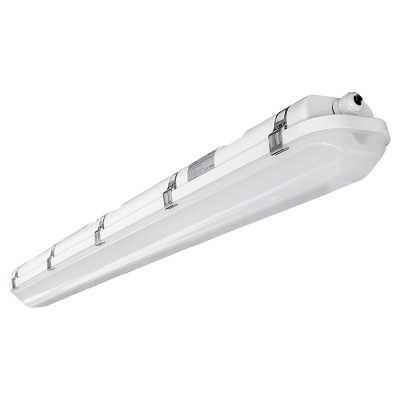
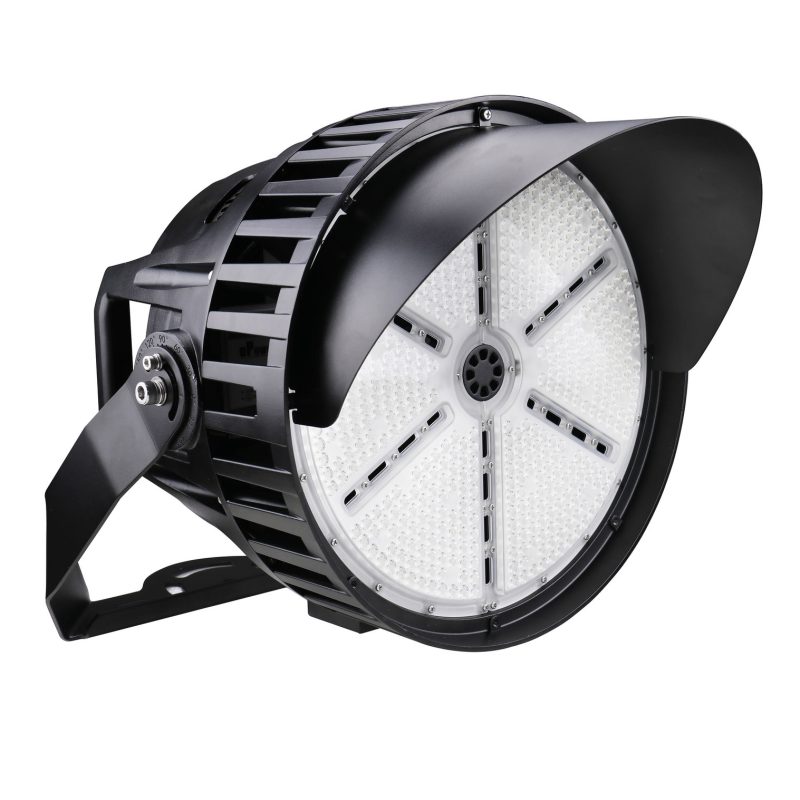
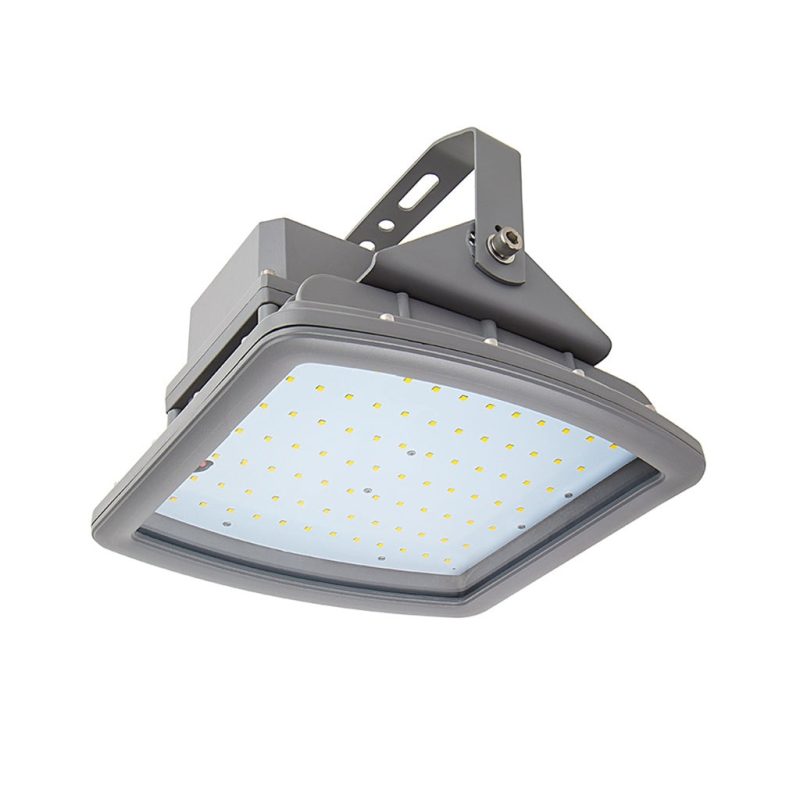
Modern lumens lighting standards have pushed manufacturers to deliver more brightness per watt consumed. A 2026 led shop lights unit, for example, can produce the same or greater output as a 2019 model while drawing noticeably less electricity a meaningful difference for high bay led lights used continuously in warehouses or garages.
Older LED systems were largely “dumb” on/off with maybe a dimmer switch. Current wall lights, pendant lights, and chandelier lights increasingly come with built-in smart modules, allowing voice control, scheduling, and color-temperature adjustment directly from a phone app.
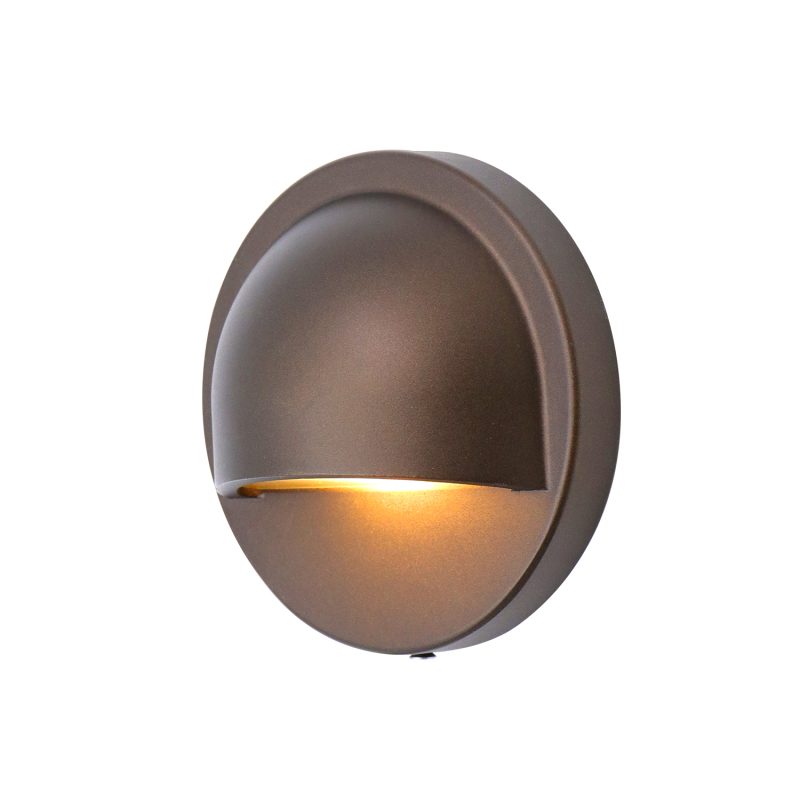
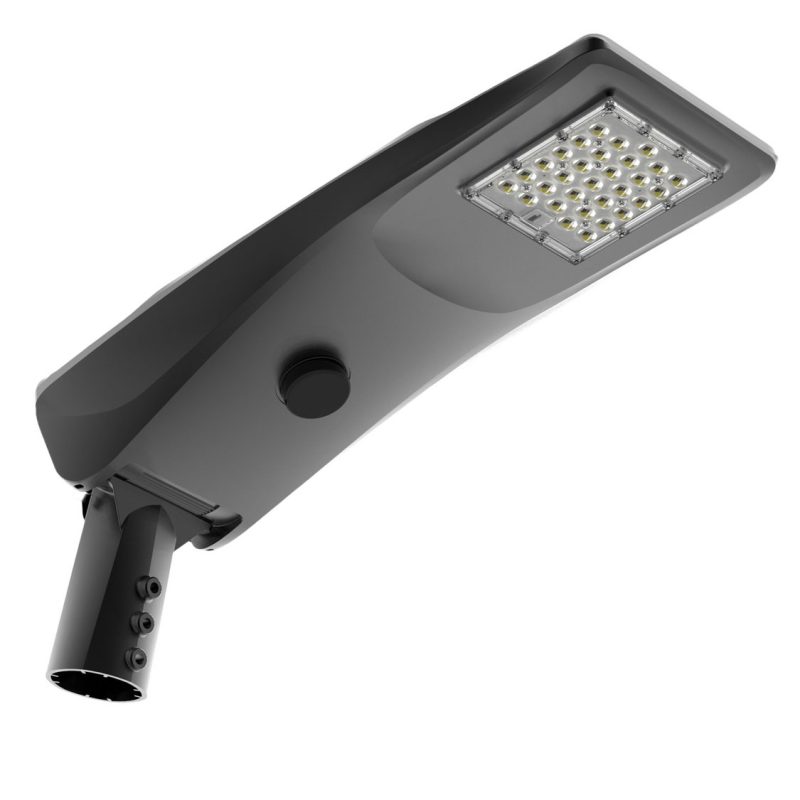
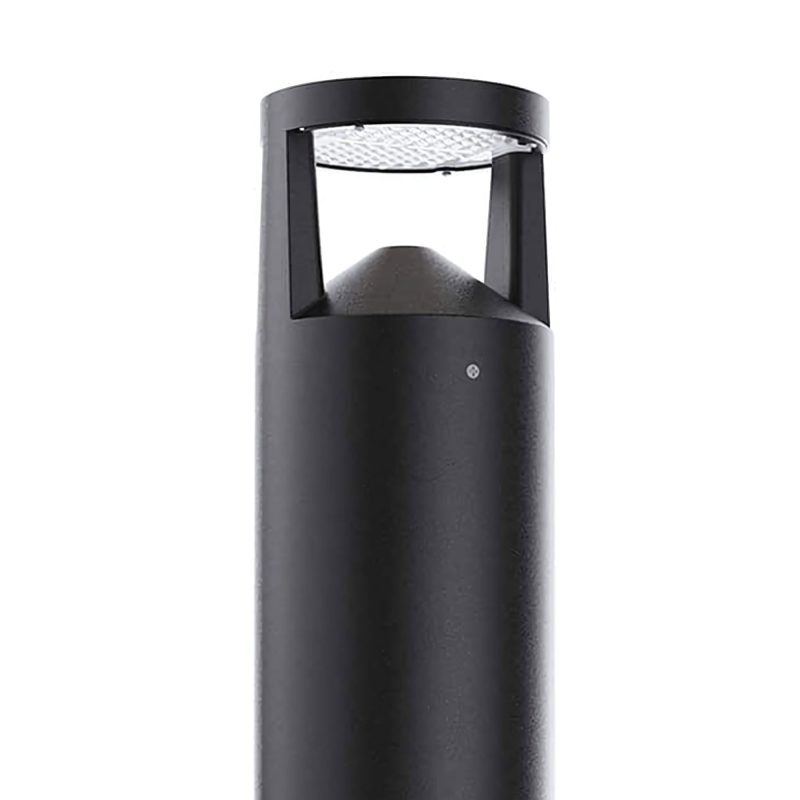
While most LEDs are rated for 25,000–50,000 hours, newer thermal management techniques mean 2026 fixtures are more likely to actually hit those numbers without early degradation particularly relevant for outdoor lights and outdoor light fixtures exposed to temperature swings.
Older LEDs were often criticized for harsh, slightly blue-toned light. Current bathroom light fixtures and vanity lights use improved diodes that render skin tones and colors more naturally a small but noticeable upgrade for daily use.
LED manufacturing costs have dropped while quality has risen, meaning today’s led fixtures often deliver more value per dollar than what was available even three years ago.
| Feature | Older LEDs (2018–2022) | 2026 LED Models |
|---|---|---|
| Efficiency | Good | Excellent |
| Smart Integration | Rare/limited | Standard on many models |
| CRI (Color Accuracy) | 70–80 | 90+ |
| Lifespan Reliability | Variable | Consistent |
| Price-to-Performance | Moderate | High |
Certain warning signs indicate your current setup is due for replacement rather than repair:
If you’re noticing two or more of these issues in your bathroom lighting, garden lights, or landscape lighting, it’s a strong signal that an upgrade will pay off.
Upgrading isn’t always the right move. Consider holding off if:
A staged upgrade approach often makes more financial sense than replacing everything at once.
The upfront cost of replacing fixtures like ceiling lights or a chandelier lights centerpiece can feel significant, but the long-term savings often justify it:
For instance, replacing ten inefficient light bulbs with efficient 2026 led light bulbs in a household would have a payback period of about 12-18 months, only due to reduced energy bills.
If you’ve decided it’s time, focus on these categories first:
Browsing a reputable lighting stores near me search or shopping directly through a specialized LED retailer can help you compare current model specifications side-by-side before committing.
How often should I replace LED lights?
Most quality LEDs last 25,000–50,000 hours, but practical replacement often comes sooner due to technology improvements rather than failure typically every 5–7 years for most households.
Are 2026 LEDs really more efficient than 2023 models?
Yes, incremental efficiency gains continue year over year, though the difference between 2023 and 2026 models is smaller than the jump from pre-2020 LEDs to current ones.
Can I mix old and new LED lights in the same space?
Yes, though you may notice slight differences in color temperature and brightness. For a cohesive look, it’s best to match CRI and color temperature (measured in Kelvin) across fixtures in the same room.
Do solar-powered LED lights perform as well as wired options?
Modern solar lights have improved significantly, making them a viable option for garden lights and landscape lighting in areas with consistent sun exposure, though wired options still offer more consistent output in low-light climates.
It would be more sensible to switch to LED lighting in 2026 if you are experiencing problems such as flickering lights, expensive energy costs, or the desire for intelligent integration. In case your present system is fairly new and working effectively, then the option that will give you an ideal mix of cost and benefit is to proceed gradually by focusing on frequently used spaces such as the kitchen and bathroom.


 DOUBLE RING FLUSH MOUNT
 DOWNLIGHTS & RETROFITS
 EMERGENCY LIGHTS
 PANEL LIGHTS
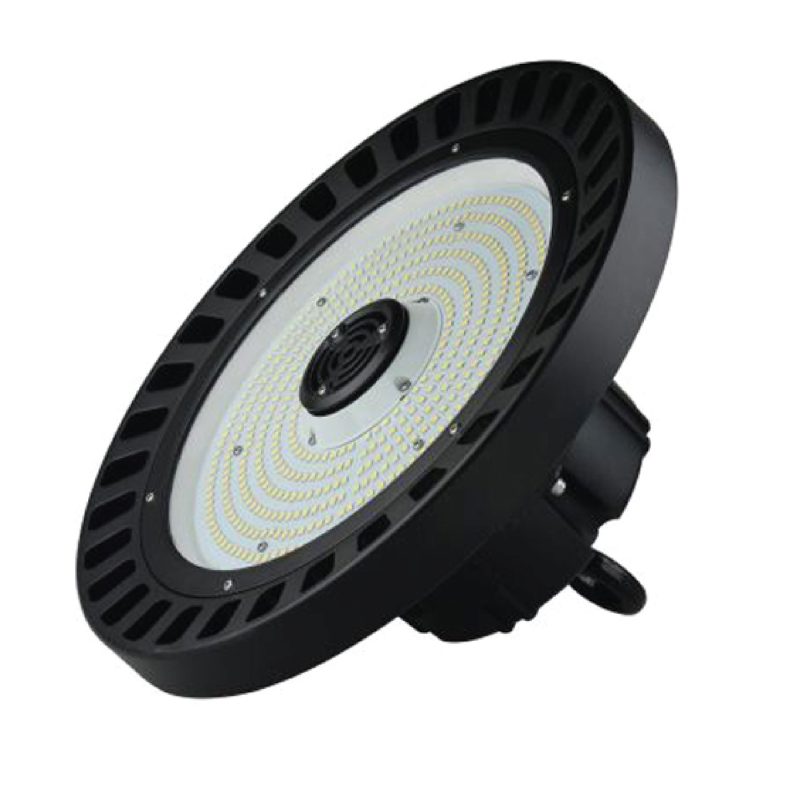
 UFO HIGH BAYS
 LINEAR HIGH BAYS
 LED EXHAUST FAN
 LIGHT BULBS
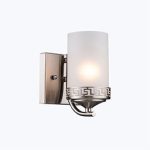 VANITY LIGHTS
 HAZARDOUS LIGHTING
 TUBE LIGHTS
 INTEGRATED FIXTURES
 RETROFIT BULBS
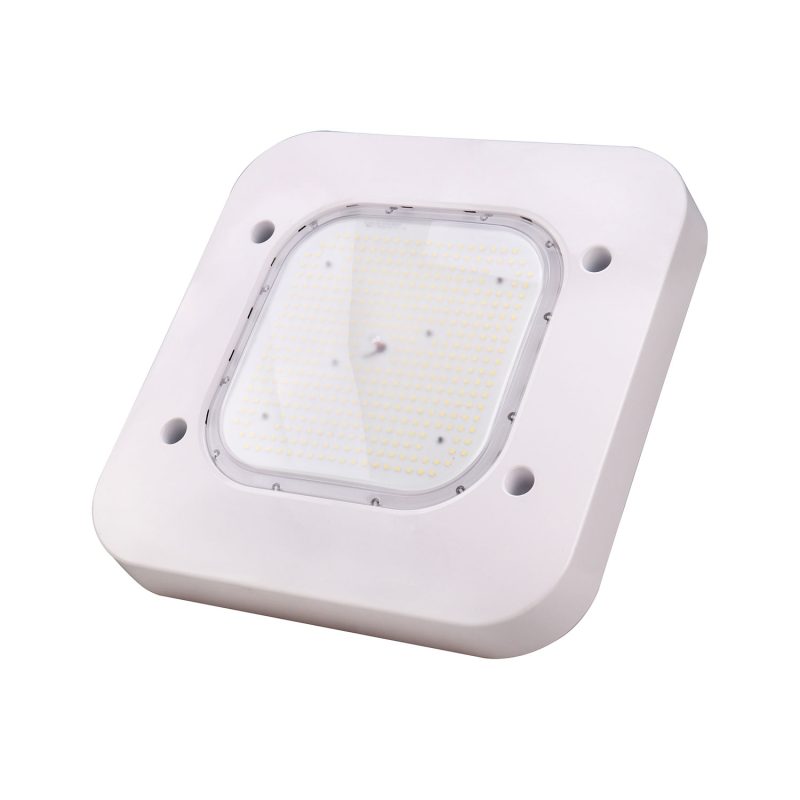
 CANOPY LIGHTS
 CORN BULBS
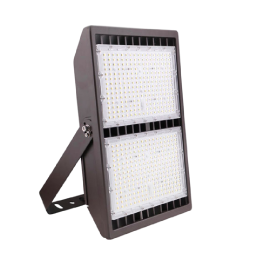
 FLOOD LIGHTS
 GAS PRICE SIGNS
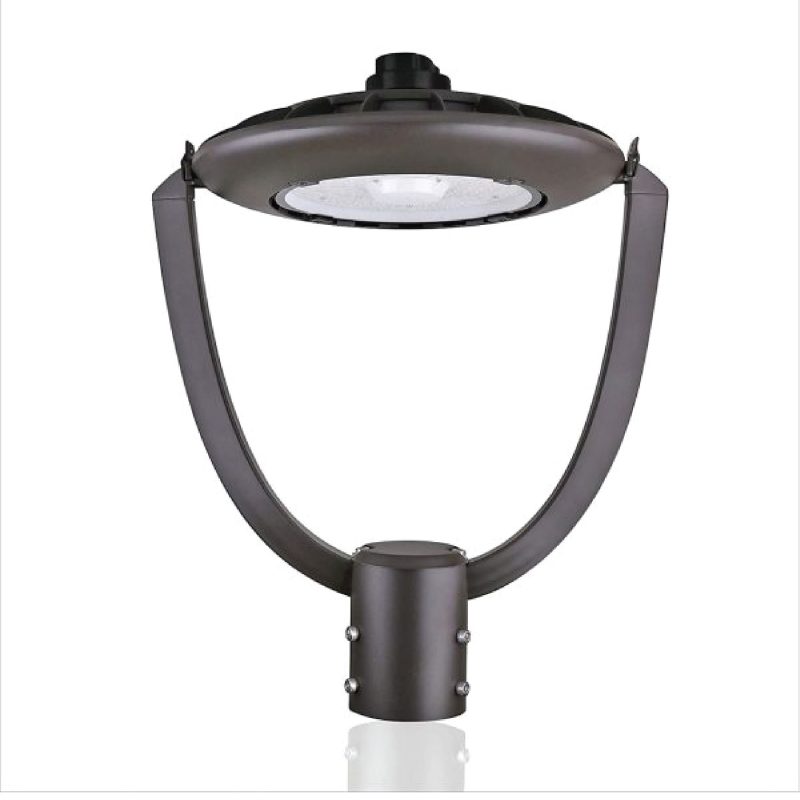
 POST TOP LIGHT
 SHOEBOX LIGHTS
 WALL PACKS
 VAPOR PROOF
 LED MODULES
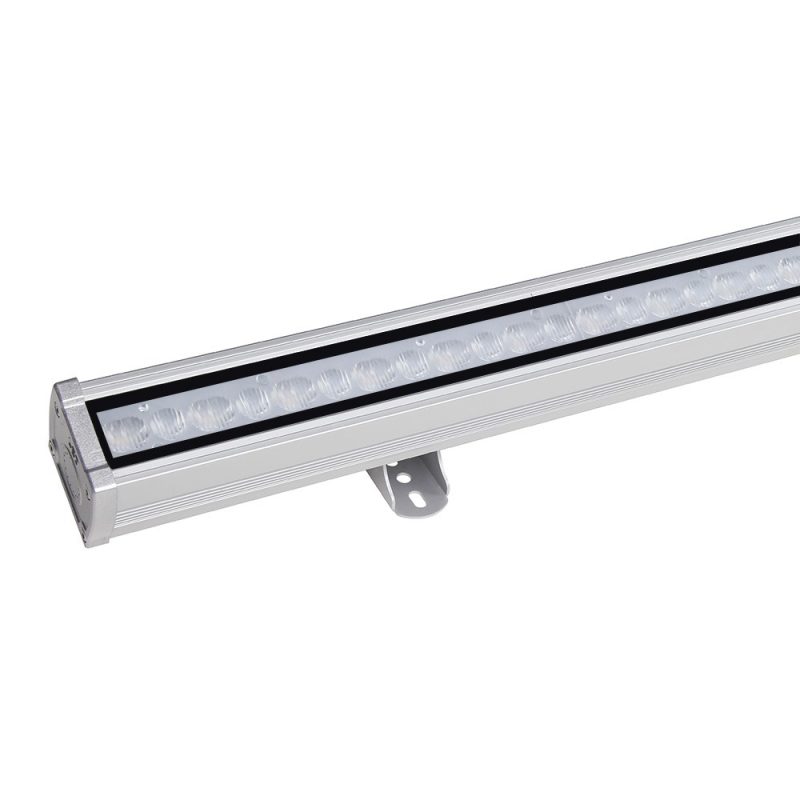
 LED WALL WASHER LIGHTS
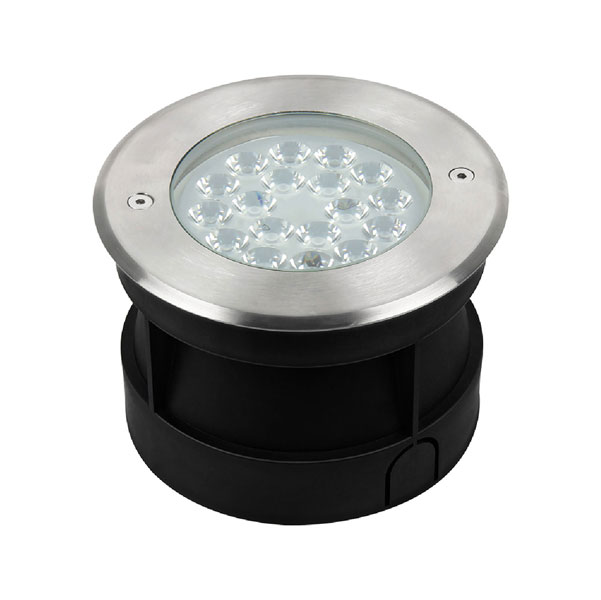
 LED UNDERGROUND LIGHTS
 LED POOL LIGHTS
 DRIVERS / POWER SUPPLY
 CONTROLLERS
 WIRING ACCESSORIES
 LIGHT POLES
 SUSPENDED PENDANT LIGHTS
 CONTEMPORARY CHANDELIERS