















Walk into any lighting aisle or scroll through an online store like ours and you’ll be hit with a wall of numbers and acronyms. Lumens, Kelvin, CRI, IP65, CCT, dimmable, tunable…
it’s a lot. And if you pick the wrong combination, you end up with a kitchen that feels like an operating room, or a bedroom too dim to read in.
The good news is that choosing the right LED light really comes down to answering a handful of straightforward questions about your space. The following guidelines will help you see what you should be looking for, in the right order, so you can make your purchases confidently and without the need for guesswork.
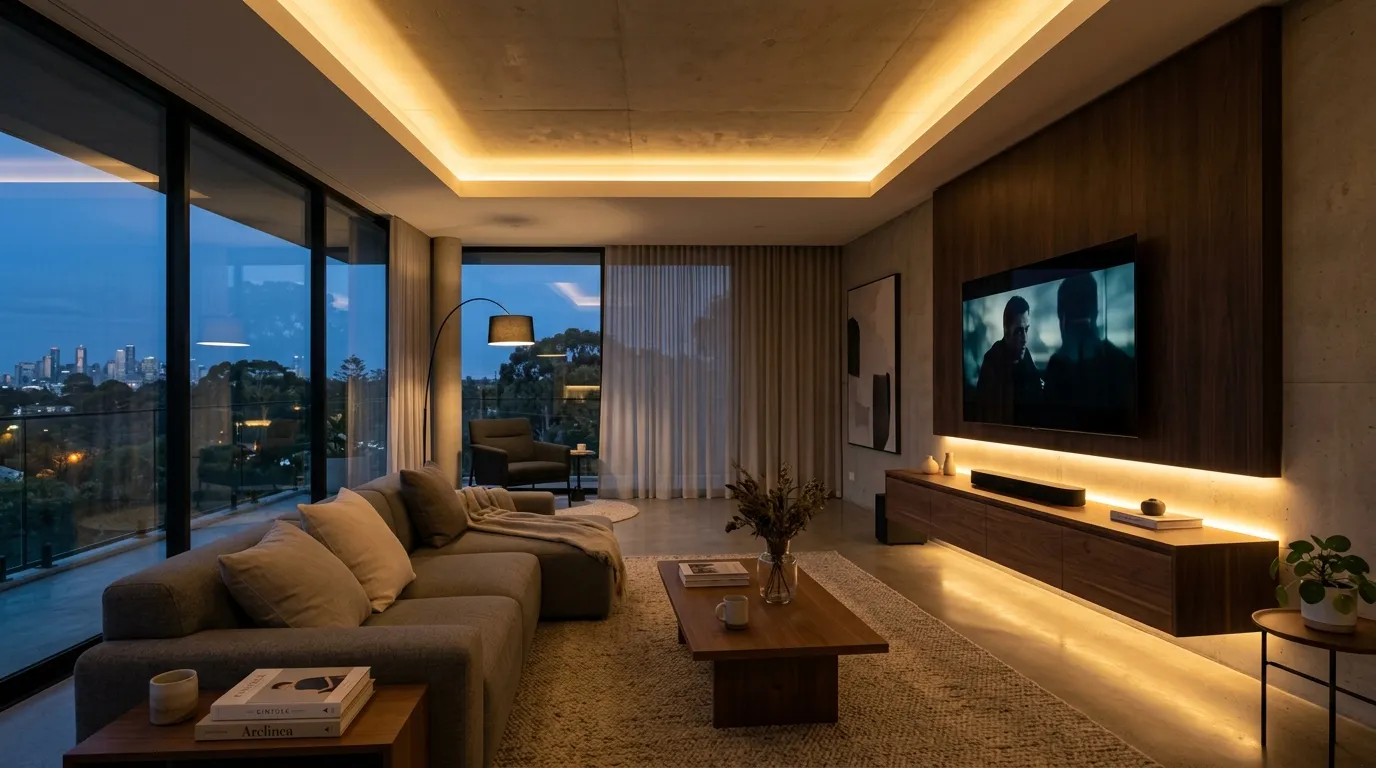
Before you compare specs consider what your room will be being used to serve. The office space needs clear light, focused lighting. The bedroom requires a more tranquil setting. Garages or workshops require unadulterated brightness and no consideration to ambiance. The outdoor spaces require durability over all other things.
Once you know the purpose of the space, the technical decisions below become much easier to make.
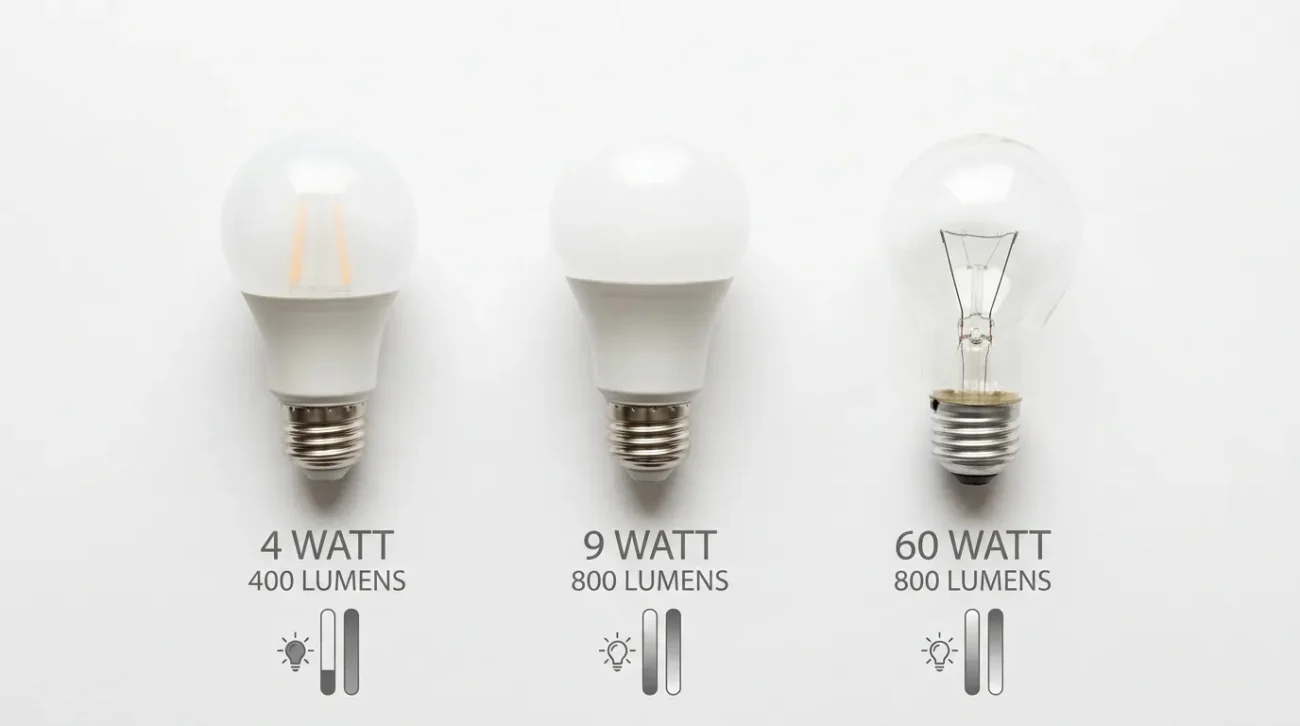
Older habits die hard a lot of people still shop by wattage, which was fine in the incandescent era but is misleading now. Wattage tells you how much power a bulb draws, not how much light it produces. Lumens are the actual measurement of brightness.
As a general guideline:
If you’re replacing an old incandescent bulb, check the wattage-equivalence rating on the LED packaging rather than trying to match wattage directly a 9-10W LED typically replaces a 60W incandescent.
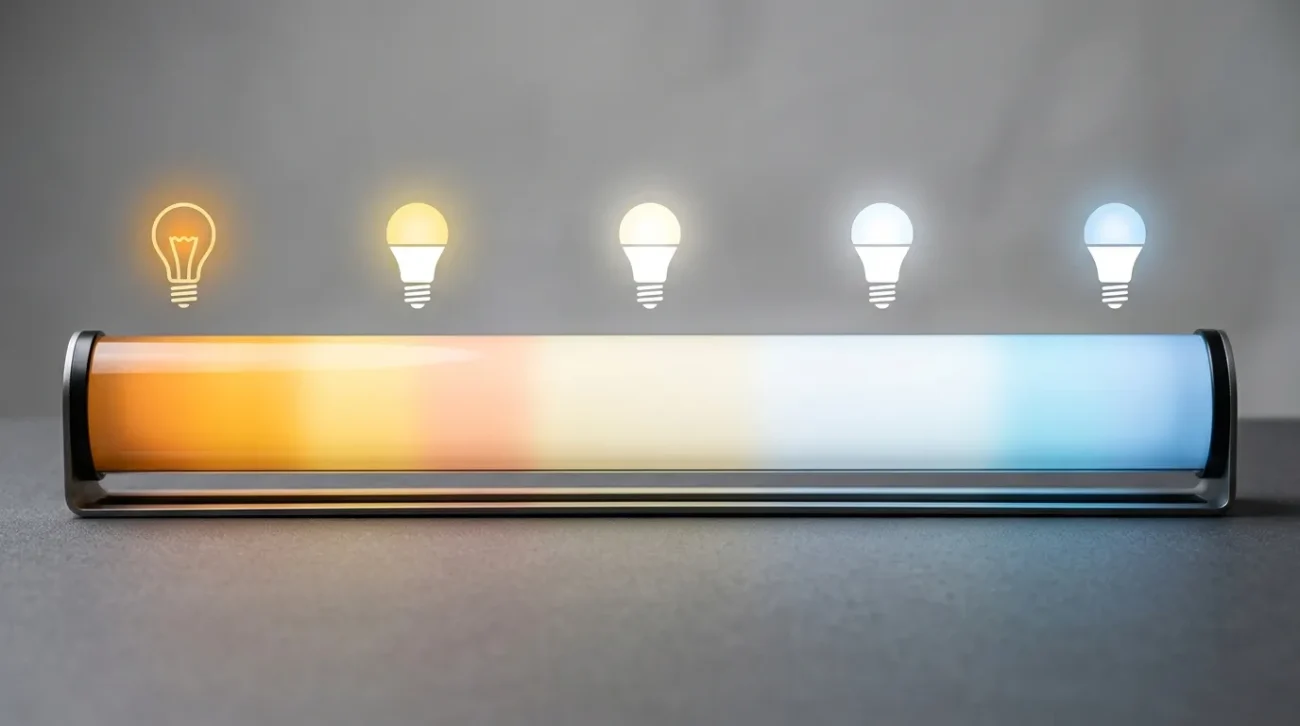
The color temperature is expressed in Kelvin (K) and will dictate if you will have warm or energizing lights.
If you can’t settle on one, tunable white LED strips and fixtures let you shift the CCT on demand handy for rooms that serve more than one purpose throughout the day.
CRI is the measure of how accurately light sources reveal true colors when compared to natural daylight; on a scale from 0-100 it ranks from highest-to-lowest on a spectrum scale from skin tones and fabrics appearing more vibrant to those that seem flat or muted in hue.
A higher CRI indicates more realistic hues; lower numbers make skin tones or fabrics appear flat or unappealing.
If your project includes photography, videography or color-critical retail displays, ensure to also check for TLCI (Television Lighting Consistency Index), which measures how accurately cameras as opposed to just human eyes interpret color under specific light sources. This index allows for comparison and measurement across projects of differing scope.
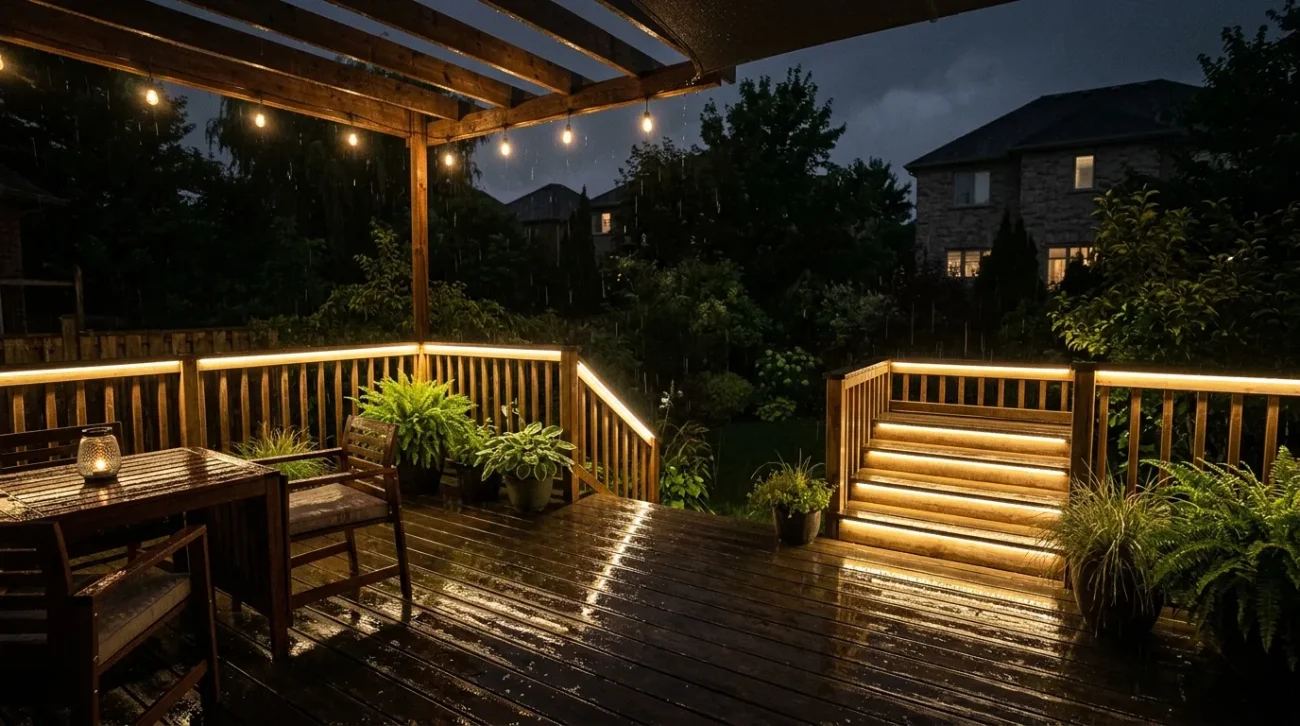
The IP (Ingress Protection) rating tells you how well a fixture resists dust and moisture. It’s written as two digits the first for solid particles, the second for liquids.
Mounting an indoor LED lightstrip or fixture outside is one of the most frequent (and easily preventable) causes for LED lights to malfunction prematurely.
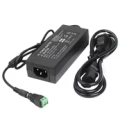
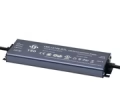
This is the step people skip and regret. A few compatibility checks before you buy:
For those who are using LED strip lights in particular, length is more significant than most would imagine. Each strip has a limiting run distance, or the maximum distance that the strip can stretch from a single power source before the far end of the strip becomes visibly dim.
For longer installations, power from both ends, use a higher-voltage strip, or add an LED amplifier to maintain even brightness across the full run.
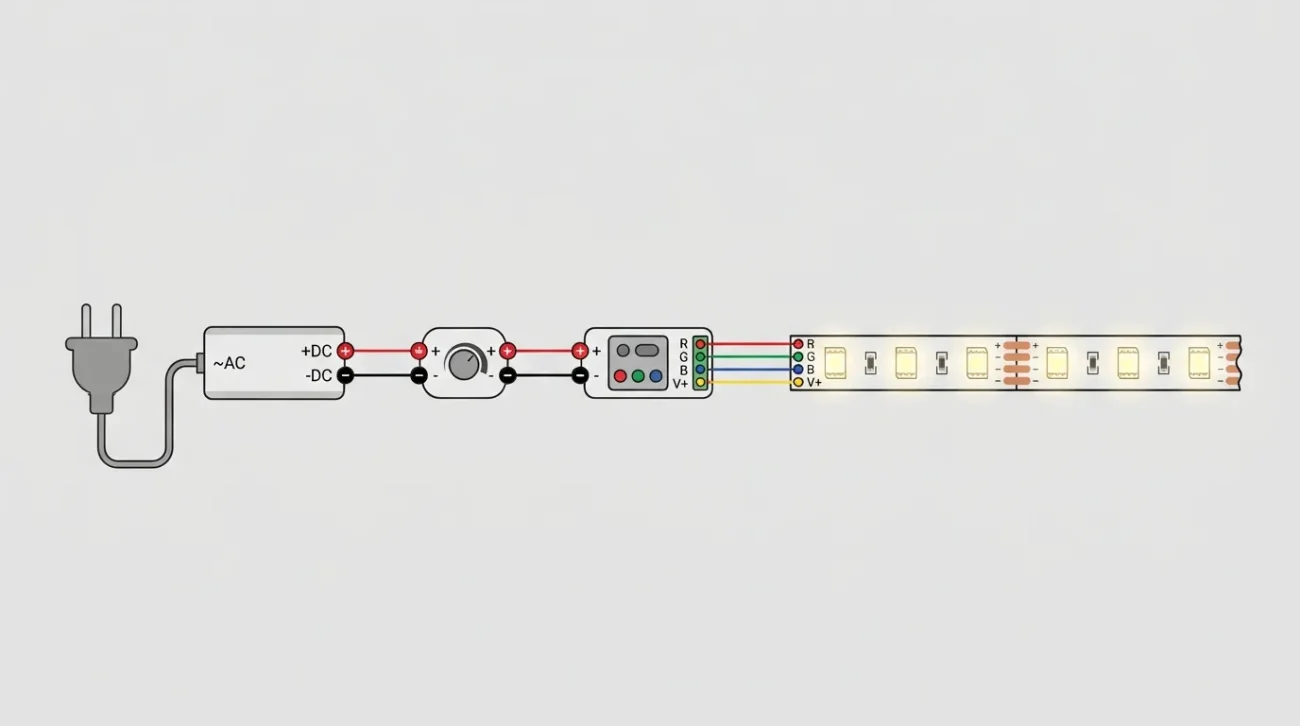
One easy trick to sanity check your selection before placing your order: does the number of lumens equal the size and need of the space? Is the CCT what you are looking for? Does the CRI meet the requirements for the use of the space? Is the IP protection rating suitable for the actual application? Is all of this communication between driver, controller and dimmer working?
If you can answer yes to all five, you’re set.
What’s the difference between CCT and CRI?
CCT (color temperature) describes how warm or cool a light looks, measured in Kelvin. CRI describes how accurately that light renders colors compared to natural daylight, measured on a 0–100 scale. A light can have a pleasant CCT and still have poor color accuracy if its CRI is low.
Can an indoor LED strip be safely used outdoors if covered?
Unfortunately not. Indoor strips don’t feature sufficient sealing to withstand humidity fluctuations over time, while covering may trap heat and reduce their lifespan significantly. To get reliable performance outdoors choose strips rated IP65 or above for any application that may take place outdoors.
Do LEDs require special dimmers?
Yes. Traditional dimmers were created for incandescent loads and could cause flickering or buzzing when used with LED bulbs or fixtures that require dimming, such as dimmers specifically labeled for LED use. Also be sure your fixture or bulb supports dimmable operation to get optimal performance from dimmable dimmers.
How many lumens per square foot is necessary in a bedroom versus in a kitchen?
Bedrooms usually look best at 10-20 lumens per square foot to give it an airy atmosphere while kitchens typically require 70-80 lumens per square foot for task-oriented cooking and prep activities.
What CRI should I look for in a kitchen or retail space?
Aim for CRI 90 or higher in kitchens, retail displays, and anywhere colors need to look accurate it makes a noticeable difference in how food, products, and skin tones appear.


 DOUBLE RING FLUSH MOUNT
 DOWNLIGHTS & RETROFITS
 EMERGENCY LIGHTS
 PANEL LIGHTS
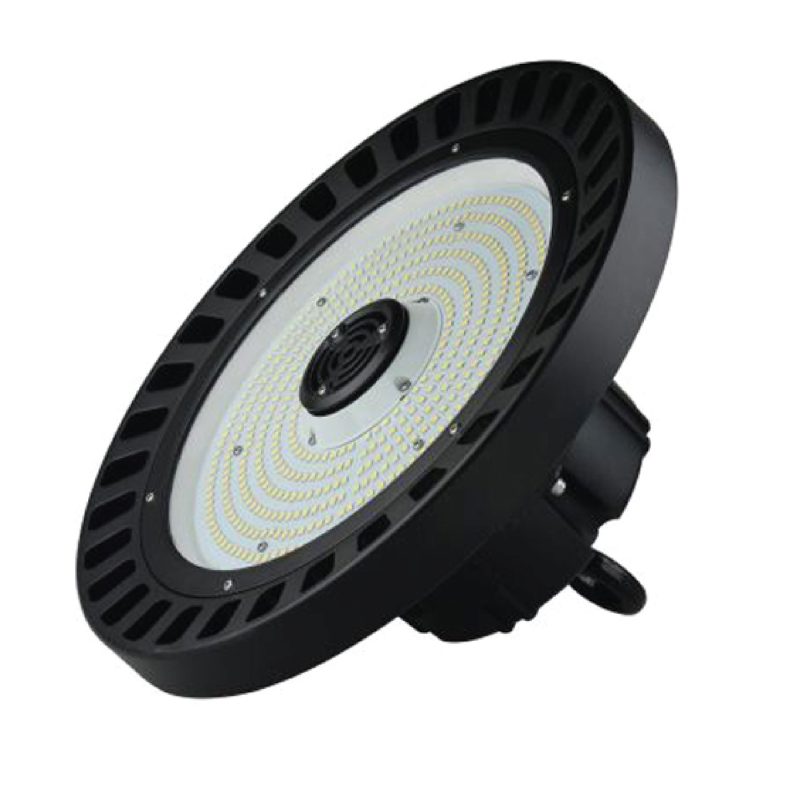
 UFO HIGH BAYS
 LINEAR HIGH BAYS
 LED EXHAUST FAN
 LIGHT BULBS
 VANITY LIGHTS
 HAZARDOUS LIGHTING
 TUBE LIGHTS
 INTEGRATED FIXTURES
 RETROFIT BULBS
 CANOPY LIGHTS
 CORN BULBS
 FLOOD LIGHTS
 GAS PRICE SIGNS
 POST TOP LIGHT
 SHOEBOX LIGHTS
 WALL PACKS
 VAPOR PROOF
 LED MODULES
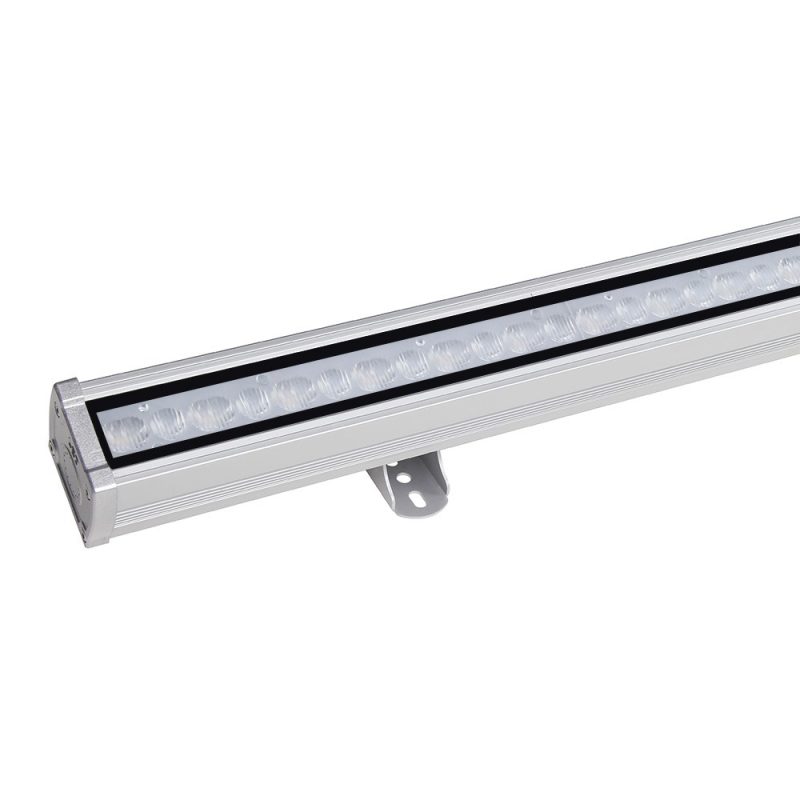
 LED WALL WASHER LIGHTS
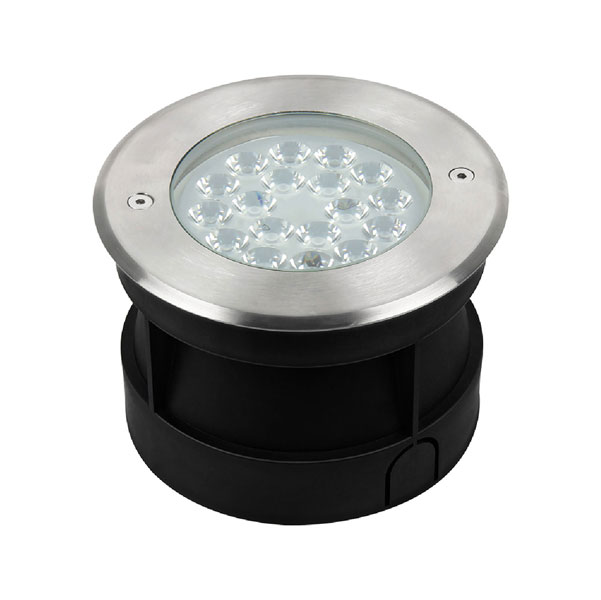
 LED UNDERGROUND LIGHTS
 LED POOL LIGHTS
 DRIVERS / POWER SUPPLY
 CONTROLLERS
 WIRING ACCESSORIES
 LIGHT POLES
 SUSPENDED PENDANT LIGHTS
 CONTEMPORARY CHANDELIERS